Garlicky Greens
Greens wilted in garlic oil in a single wide pan, on the table in under ten minutes and the default side for almost anything.
- Prep
- 5 min
- Cook
- 6 min
- Total
- 11 min
- Serves
- 4
- Revisions
- 5
Ingredients
Serves
Method
Wash the torn leaves in a sink of cold water and lift them out with your hands, leaving the grit behind at the bottom.
Dry them hard in a salad spinner, or between two tea towels, until no water beads on the leaves. Wet greens carry that water into the pan, and nothing in it can get above 100C/212F until the water has boiled away, so the leaves steam themselves grey instead of frying.
Pour the oil into a wide frying pan and add the sliced garlic and chilli flakes while the pan is still cold.
Set the pan over medium heat and cook for 2-3 minutes, until the garlic is pale gold at the edges and the oil smells sweet and nutty.
Do the garlic now rather than after the greens go in. It needs bare oil and gentle heat to give its flavour up, and it will not do it under a wet pile of leaves. Take it no further than pale gold either, because browned garlic turns bitter and the greens sit in that bitterness for the rest of the cooking.
Turn the heat to high.
Add the greens a handful at a time, turning each one through the oil before the next goes in.
Season with the 2g of fine salt.
Cook for 3-4 minutes, moving them constantly with tongs, until the leaves have collapsed to about a third of their volume and turned glossy dark green.
Taste a piece: it should be tender with a little chew left at the thickest part, not squeaky.
Squeeze the lemon juice over off the heat.
Serve straight away, next to the roast chicken with lemon and thyme or the crisp-skinned salmon.
Nobody has rated this recipe yet.
Sign in to rate this recipe. One rating per person, and you can change it.
What to expect
- Taste
Bitter first, and how bitter depends entirely on the leaf — cavolo nero is deeply so, chard much less, spring greens somewhere between. That bitterness is the point rather than a fault, and everything else in the pan is there to frame it. Garlic infused slowly into oil is sweet and nutty rather than pungent, which is a completely different thing from raw or browned garlic. Olive oil brings its own peppery bitterness at the back of the throat. Chilli is a clean dry heat. Salt is doing a great deal, because salt suppresses the perception of bitterness directly — under-salted greens taste far more bitter than the same leaves properly seasoned. And then the lemon, which is the finish and the correction: acid cuts bitterness and lifts everything, and greens without it taste heavy and flat.
- Aroma
Garlic in warm oil, sweet and toasty, for the first three minutes and filling the kitchen. Then a green, faintly sulphurous smell as brassica leaves hit heat — kale and cabbage contain sulphur compounds and they announce themselves. Lemon at the very end is the brightest note and arrives as it goes onto the plate.
- Texture
Tender with resistance, which is a narrow target and easy to hit — the leaves should give but not dissolve. Some edges will be genuinely crisp and those are the best bits. The garlic slices go soft and slightly chewy. There is nothing else in the pan, which is why the texture of the leaf itself matters so much.
- Sound
The garlic should sizzle quietly and evenly for its two or three minutes; a sharp crackle means the heat is too high and it will brown. Then the greens hitting a hot pan, which is loud and immediate if they are dry and disappointingly quiet if they are not — that silence is the audible symptom of the fault this recipe exists to prevent.
- How the flavour moves
Garlic and oil first. Then the green bitterness across the middle, then chilli heat building behind it. The lemon arrives at the finish and clears everything, which is why it goes on off the heat and at the last moment. The aftertaste is clean and slightly peppery from the oil.
- Serve it
Hot from the pan, and equally good at room temperature an hour later, which is unusual and useful. Fridge-cold they are dull and need another squeeze of lemon.
- Goes with
Almost anything rich. Roast chicken, pork, sausages, oily fish. Beans and pulses. Eggs. It is the default side dish precisely because bitterness and acid go with fat, and there is very little on a plate it fights. It also works as a dish in its own right on toast with an egg. Where it fails is next to anything else bitter, and next to delicate white fish, which it overwhelms.
Cook's notes
- Difficulty
Very easy, with two things that most people do wrong and neither of which is difficult once stated.
- Cost
Very low.
- Equipment
A wide frying pan — wide matters more than deep, because greens need surface contact to fry rather than steam. A salad spinner, or two tea towels. Tongs.
- When to make it
Cavolo nero and kale are winter crops and are genuinely better after a frost, which converts some of their starch to sugar and makes them sweeter. Chard and spring greens run spring to autumn.
- Best season
Genuinely seasonal. Brassicas are winter vegetables and cavolo nero and kale are noticeably sweeter after cold weather.
- You know it is done when
The garlic should be pale gold at the edges and no further — the colour of straw, not of toast. The greens are ready when they have collapsed to about a third of their volume and gone glossy dark green, with some browned edges where they met the pan.
- And it feels like
Tender with a little chew left at the thickest part. Squeaky means undercooked; limp and grey means overcooked or steamed.
- Food safety
Nothing to manage beyond washing the leaves properly, which matters — bagged greens are washed and loose ones from a market are not, and grit in a dish like this is unforgivable because there is nothing to hide it in.
- Where it goes wrong
Wet leaves, which is the fault — the pan cannot get hot enough to fry until the water has gone, so the greens steam and go grey. Adding garlic to a hot pan or after the greens, either of which means it burns or stays raw. Browning the garlic, which turns the whole dish bitter on top of an already bitter leaf. Adding all the greens at once, which drops the pan temperature and produces the same steamed result. Under-salting. And leaving out the lemon, which is the difference between good and heavy.
- If it does go wrong
Grey and limp: the leaves were wet or the pan was overloaded. Bitter beyond enjoyment: more salt first, then more lemon, then check whether the garlic browned. Tough and squeaky: not cooked long enough, or the stems were left in. Watery in the pan: same cause as grey — turn the heat up and keep going until it evaporates. Garlic burnt: start again, since the oil is the dish.
- Making it ahead
Wash and dry the leaves hours ahead and keep them in a bag with a piece of kitchen paper. Cooking takes six minutes and should be done to order, though it is genuinely good at room temperature so making it thirty minutes early is fine.
- Keeping it
Two days in the fridge. It is good cold and better at room temperature.
- Reheating
Poorly — they overcook instantly. Eat them cold instead, which is genuinely good.
- Freezing
No.
- Leftovers
Very useful. Chopped into an omelette, folded through pasta with some of the pasta water, on toast with ricotta, or stirred into a soup.
- Scaling it
Badly in one pan, because the whole method depends on the leaves having contact with hot metal. Doubling means two pans or two rounds, and two rounds is fine since the first lot are good warm.
- Substitutions
Almost any robust leaf: cavolo nero, curly kale, spring greens, chard, cabbage, broccoli rabe. Spinach is the exception and needs different handling — it wilts in seconds and carries far more water, so add it at the very end and expect it to collapse almost to nothing. Butter instead of olive oil is very good and less Italian. Anchovy melted into the oil with the garlic is a classic addition and stops it being vegan.
- Dietary swaps
Vegan, vegetarian, dairy-free, gluten-free and nut-free as written, with nothing to adapt. It is the single most broadly suitable recipe in the collection.
- Shopping for it
Whatever is cheapest and freshest — this is a recipe rather than a shopping list. Leaves should be firm and unwilted with no yellowing. A decent olive oil, since three tablespoons is a lot of the finished dish.
- Keeping the cost down
Spring greens and curly kale cost a fraction of what cavolo nero does and work identically. Buy loose rather than bagged and wash them yourself; bagged greens cost several times as much and deteriorate faster. The stripped stems can go into stock rather than the bin.
- Sustainability
Excellent by every measure — seasonal, local in most of Europe, no animal products, and among the highest nutrition per unit of land of anything grown.
- Nutrition
Around 130 calories a serving, almost all of it olive oil. Dark leafy greens are among the most nutrient-dense things there are — a serving of cavolo nero carries a very large amount of vitamin K, plus vitamin C, folate and calcium — and the oil genuinely helps, since the fat-soluble vitamins need fat to be absorbed.
- Worth it?
Worth it, and it is the most useful six minutes in the collection. It costs almost nothing, it goes with practically everything, and the two instructions that make it work — dry the leaves, cook the garlic first — are free. If you take one habit from this site, take this one.
Where it comes from
- Origin
Southern Italy for this particular idiom, though every Mediterranean and East Asian cuisine has a version.
- Also called
In Italy, verdure ripassate — greens 'passed again', meaning boiled first and then finished in the pan — or simply cicoria ripassata when it is chicory. This recipe skips the boiling stage, which is a real difference.
- Said out loud
Cavolo nero is CAH-vo-lo NEH-ro.
- What the name means
Cavolo nero is black cabbage, which is a fair description of the leaf. It is also sold as Tuscan kale, lacinato and dinosaur kale, all names for the same plant.
- History
There is no history to record and no need for one. What is worth knowing is why bitter leaves are cooked this way everywhere at once: bitterness in plants is largely a defence, and the compounds responsible in brassicas are glucosinolates, which are also the reason they are good for you. Fat and salt both suppress the perception of bitterness and acid cuts it, so oil, salt and lemon is not a stylistic choice — it is the arrangement that human palates independently arrive at when confronted with a bitter leaf. Southern Italy, Greece, Portugal and southern China all landed on garlic, fat and acid without consulting each other.
- Why it matters
Cavolo nero in particular is central to Tuscan cooking and to ribollita, its most famous soup, and it has become fashionable outside Italy in the last twenty years in a way that has roughly tripled its price. It remains one of the cheapest vegetables available.
- When it is eaten
Every day. It is a side dish and makes no claim to be anything else.
- The traditional way
The Italian method is to blanch the greens first and then finish them in garlic oil, which is what ripassate means. That gives a softer result, removes more bitterness, and takes an extra pan and ten minutes. The straight-to-the-pan version here is faster and keeps more bite and more bitterness.
- How it changed
Nothing has changed. What has changed is availability — cavolo nero was hard to buy outside Italy twenty years ago and is now in every supermarket.
- Regional variations
Anchovy and chilli is the Roman idiom; Puglia adds it to orecchiette with broccoli rabe; Greece dresses horta with lemon and oil and often serves them at room temperature; Cantonese cooking blanches greens and dresses them with oyster sauce and hot oil, which is the same structure with different seasonings.
- How this version differs
It skips the blanching that the Italian name implies, and it is explicit about the two failure points — wet leaves and late garlic — which most recipes assume you already know.
- Sources and credit
None. Traditional and unauthored everywhere it exists.
Related recipes
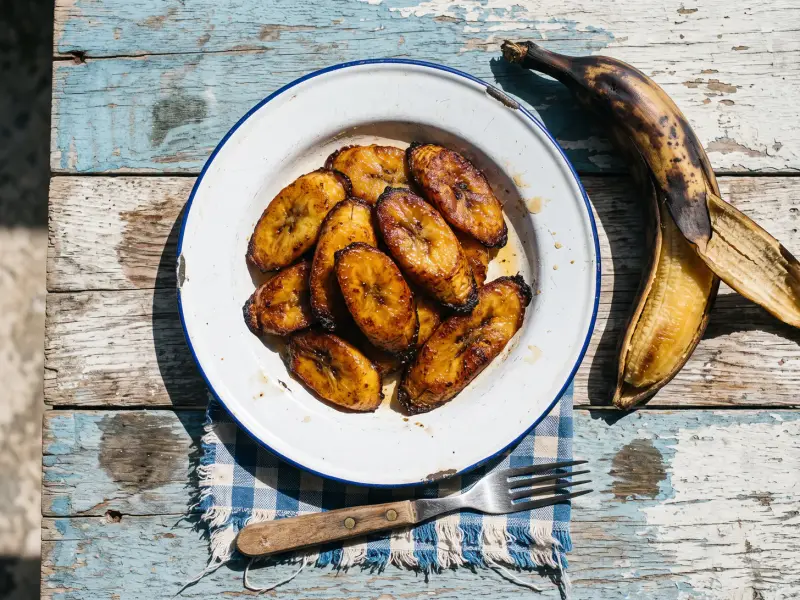 Fried Plantain
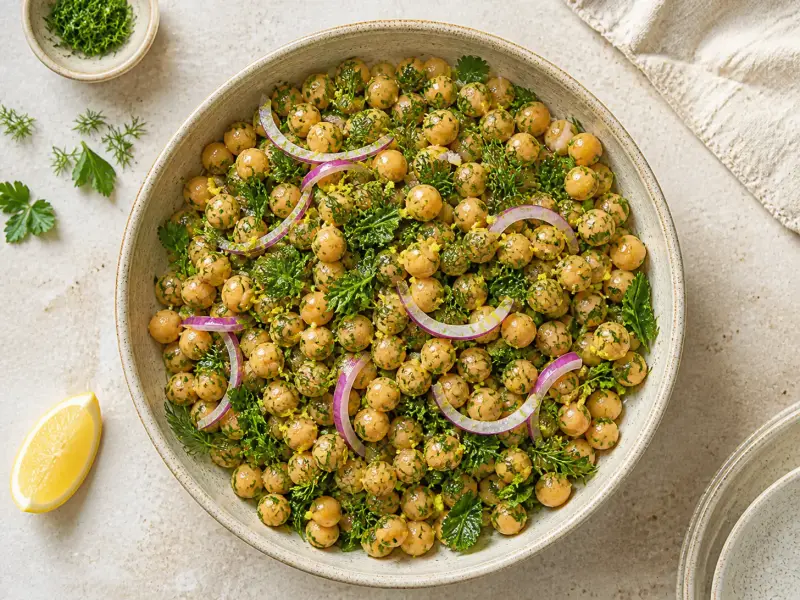 Lemony Chickpea and Herb Salad
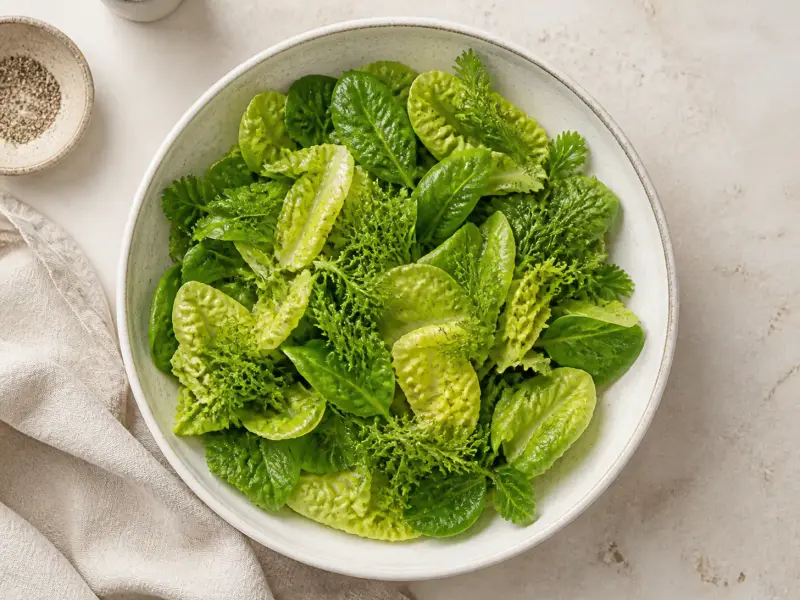 Simple Green Salad
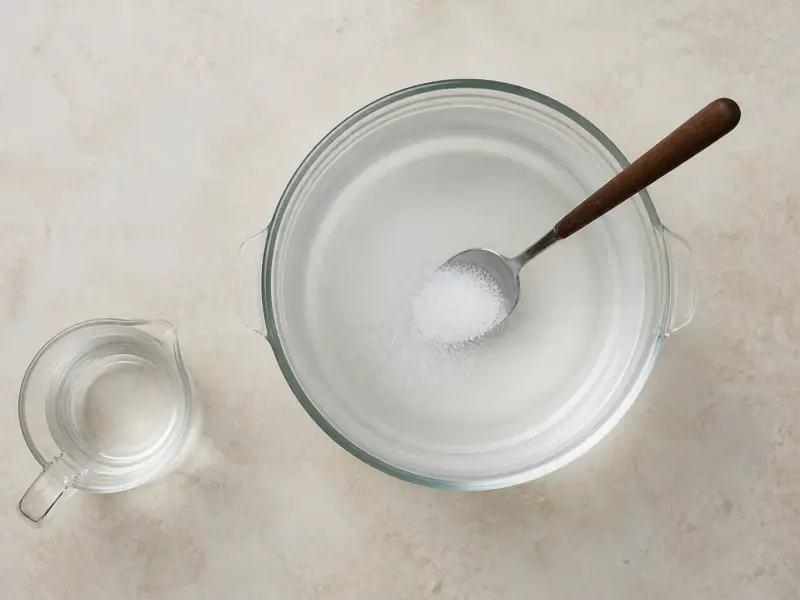 Wet Brine for Chicken and Pork
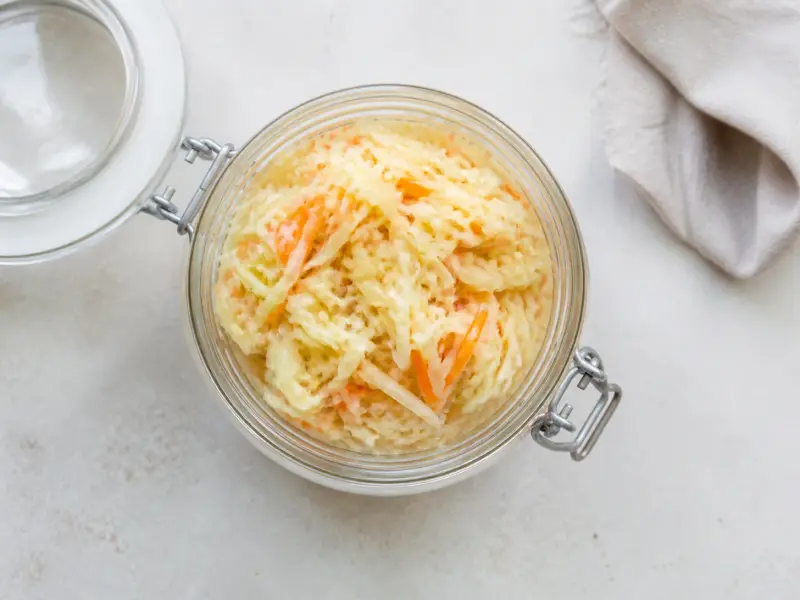 Sauerkraut
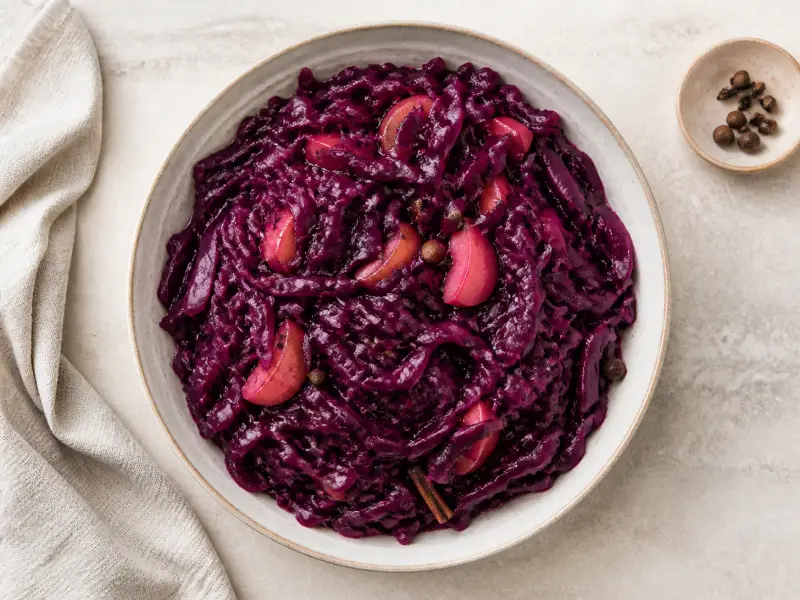 Braised Red Cabbage
Categories
Courses & dish types
Main ingredients
Diets
Time & effort