Bahama Mama
Two rums with coconut, pineapple and grenadine, shaken and poured tall over ice so the red sinks through it.
- Prep
- 5 min
- Total
- 5 min
- Serves
- 1
- Revisions
- 5
Ingredients
Serves
Method
Fill a tall glass with ice.
Shake both rums with the pineapple, orange and lemon juices and ice for 12 seconds.
Strain into the prepared glass.
Pour the grenadine slowly down the inside of the glass so it sinks to the bottom.
Leave it unstirred — the graded colour is the drink's whole appearance.
Garnish with the orange slice and cherry, and serve with a straw so the drinker mixes it themselves.
Nobody has rated this recipe yet.
Sign in to rate this recipe. One rating per person, and you can change it.
What to expect
- Taste
Bright and fruity from the pineapple, orange and lemon, with the coconut rum adding a sweet, perfumed top note and the dark rum giving a deeper, more savoury weight underneath — the balance shifts as the drink is stirred through and the grenadine at the bottom is worked up into it.
- Aroma
Sweet pineapple and orange first, with coconut rising underneath and a deeper rum note further down.
- Texture
Light and juice-forward, cold from the ice, with a distinctly heavier, sweeter mouthful once the grenadine at the bottom is drawn up through a straw.
- Sound
A steady shake against ice, then a quiet trickle as the grenadine is poured slowly down the inside of the glass.
- How the flavour moves
Bright citrus and pineapple arrive first at the top of the drink, coconut rum's sweetness sits just underneath, dark rum's depth is felt further down, and the grenadine's concentrated sweetness is the last thing reached, at the very bottom of the glass.
- Serve it
Served very cold, over ice, and meant to be drunk over some time as the ice slowly dilutes it.
- Goes with
No particular food tradition attaches to it — a poolside or beach-bar drink meant to be sipped on its own.
Cook's notes
- Difficulty
Easy, though the grenadine float takes a steady hand to get the graded colour right.
- Cost
Low — two widely available rums and standard juices.
- Equipment
A cocktail shaker and a tall glass.
- When to make it
Daytime or evening poolside and beach-bar drinking, and warm-weather entertaining generally.
- Best season
None; every ingredient is shelf-stable and available year round.
- You know it is done when
The finished drink should show a clear graded colour — pale juice at the top, deepening to a bright red at the bottom where the grenadine has sunk and settled.
- And it feels like
Should taste bright and fruity with a clear rum backbone, not diluted or flat, and the grenadine should read as a distinct sweet layer rather than blended evenly through.
- Food safety
No particular hazard beyond standard care with alcohol service.
- Where it goes wrong
- Stirring the grenadine into the drink, which loses the graded colour effect entirely.
- Pouring the grenadine too fast or into the centre of the glass, which mixes it through rather than letting it sink.
- Using a bright red, artificially flavoured grenadine rather than a genuine pomegranate one, which tastes noticeably of sugar and colouring rather than fruit.
- Confusing coconut rum with a coconut liqueur or cream of coconut, which are considerably thicker and sweeter.
- If it does go wrong
Flat pink colour rather than graded red: the grenadine was stirred in or poured too fast. Overly sweet, artificial taste: the grenadine used was the bright red cordial rather than a genuine pomegranate syrup.
- Making it ahead
The rums and juices can be pre-batched and refrigerated for a party; the grenadine float should be added fresh to each glass at serving.
- Keeping it
Does not keep once built; the rums and juices can be pre-batched and refrigerated, with the grenadine added fresh at serving.
- Reheating
Not applicable.
- Freezing
Not suitable in its finished form.
- Leftovers
None worth keeping.
- Scaling it
Scales cleanly for a party by batching the rum-and-juice base and adding the grenadine float to each individual glass.
- Substitutions
Coconut rum and dark rum are doing two different jobs and are not interchangeable with each other — the coconut rum brings sweetness and perfume near the top of the drink, while the dark rum gives it weight and depth underneath. Real pomegranate grenadine gives a noticeably different, less artificial-tasting drink than the bright red, sugar-and-colouring cordial sold under the same name in most shops.
- Dietary swaps
Vegan, dairy free and gluten free as written; contains alcohol and nothing else.
- Shopping for it
A genuine pomegranate-based grenadine, rather than the bright red cordial sold under the same name in most supermarkets, makes a noticeably better drink.
- Keeping the cost down
Standard supermarket rums and juices make this one of the cheaper tropical cocktails to batch for a group.
- Nutrition
Roughly 200-230 calories per drink, mostly from the two rums and the juices.
- Worth it?
A straightforward, crowd-pleasing tropical drink whose visual layering is as much the point as its flavour.
Where it comes from
- Origin
Nassau, the Bahamas.
- Also called
Bahama Mama.
- Said out loud
bah-HAH-mah MAH-mah.
- What the name means
A straightforward reference to the Bahamas, in the informal, alliterative naming style common to many tropical bar drinks of the same era.
- History
The drink is credited to Oswald Greenslade, a Bahamian musician and bar owner in Nassau, though the attribution is repeated through bar-industry accounts rather than independently documented at the time, and should be understood as the commonly given credit rather than a settled fact.
- Why it matters
A widely recognised Caribbean tourist-bar cocktail, closely associated with the Bahamas and served extensively on cruise ships worldwide.
- When it is eaten
Poolside and beach-bar drinking, and a fixture of Caribbean cruise and resort menus.
- The traditional way
A shaken build of two rums and three juices, poured over ice with grenadine floated unstirred at the bottom for its graded colour effect.
- How it changed
Versions vary considerably in the ratio of the two rums and the specific juices used, though the general profile — pineapple, orange and a grenadine float — has stayed fairly consistent.
- Regional variations
Some versions add a splash of dark 151-proof rum floated on top rather than mixed into the coconut and dark rum base, giving a stronger, more layered drink.
- Sources and credit
Generally credited to Oswald Greenslade of Nassau, on the strength of bar-industry accounts rather than independently documented contemporary evidence.
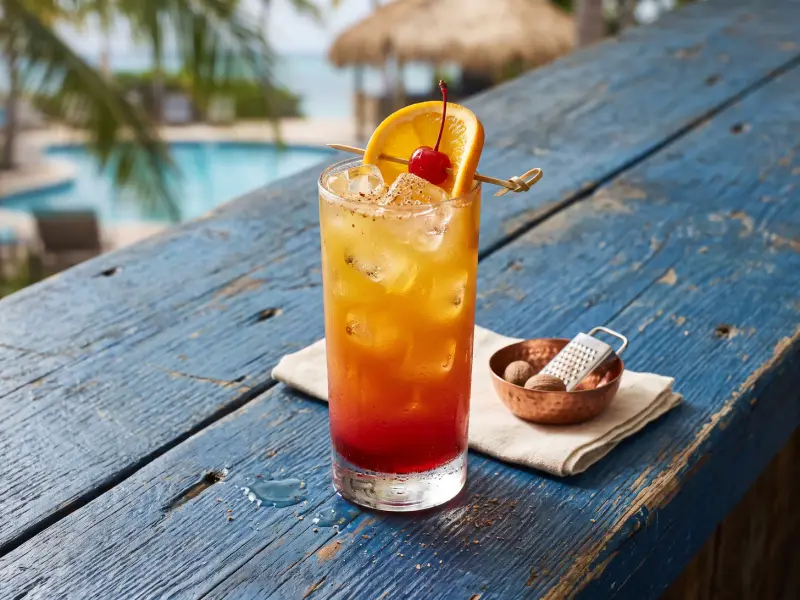 Caribbean Rum Punch
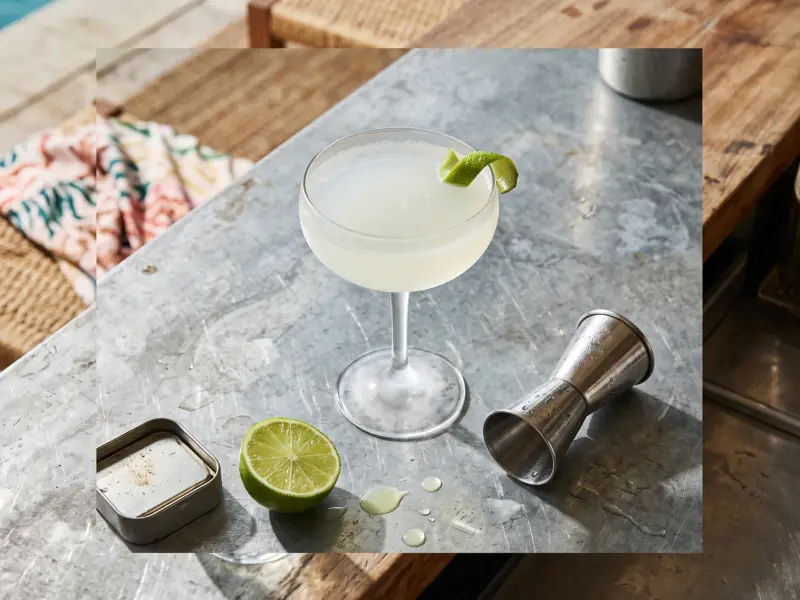 Daiquiri
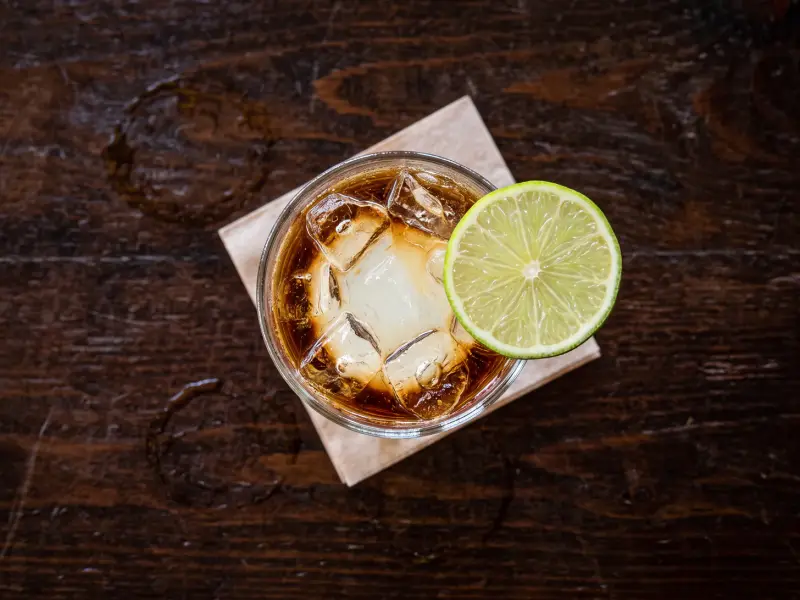 Dark and Stormy
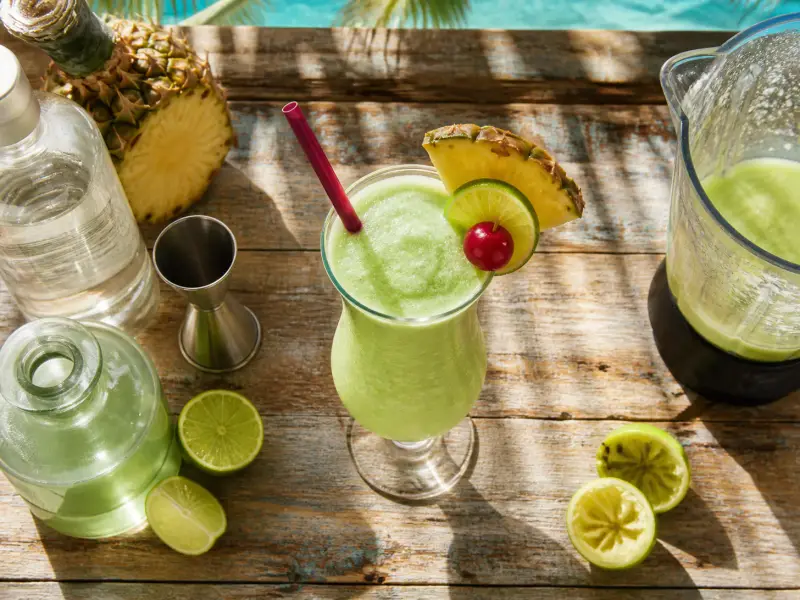 Frozen Melon Colada
 Frozen Strawberry Daiquiri
 Mojito