Caipirinha
Whole lime muddled with sugar and cachaça in the glass it is drunk from, with the peel oils very much part of the drink.
- Prep
- 5 min
- Total
- 5 min
- Serves
- 1
- Revisions
- 5
Ten seconds, if you are in a hurry
The whole dish, carried in and set down, with the one thing worth knowing about it said out loud. No method, no measuring — just what it should look like when it arrives.
Watch on YouTubeIngredients
Serves
Method
Trim the white pithy core from the lime wedges, which is where most of the bitterness sits.
Put the lime and the sugar into a heavy tumbler.
Muddle firmly for about 15 seconds, pressing and twisting, until the sugar has dissolved into the juice and the peel smells strongly of lime.
Pour in the cachaça and stir.
Fill the glass to the top with crushed ice.
Stir again from the bottom until the outside of the glass frosts.
Serve with a short straw, and no garnish.
Nobody has rated this recipe yet.
Sign in to rate this recipe. One rating per person, and you can change it.
What to expect
- Taste
Sharp and intensely limey, with real bitterness from the muddled peel sitting alongside the fruit's own sourness — a caipirinha is meant to taste more rustic and less polished than a daiquiri, and that bitterness is part of its identity rather than a flaw. Cachaça itself is grassy and vegetal, with a distinct sugarcane sweetness underneath its alcohol that rum, made from molasses, does not carry in the same way.
- Aroma
Intensely of fresh lime peel and juice, since both are muddled directly into the glass rather than only squeezed, with a green, grassy note from the cachaça underneath.
- Texture
Coarse and rustic compared with a shaken, strained cocktail — there are real pieces of lime in the glass, and the drink is meant to be worked through with a straw rather than sipped cleanly.
- Sound
The muddling itself is the loudest part — a firm, repeated pressing and twisting sound against the glass — followed by the crunch of crushed ice being stirred through.
- How the flavour moves
Lime's sourness and the peel's bitterness arrive together and hard at the front, cachaça's grassy sweetness follows underneath, and the finish is clean and sharp rather than lingering — this is a short, direct drink rather than one with a long, evolving arc.
- Serve it
Served very cold, and it stays cold for a reasonable time thanks to the volume of crushed ice.
- Goes with
Brazilian churrasco (barbecued meat), feijoada, or any rich, fatty grilled food — the drink's sharpness and bitterness are built to cut through exactly that kind of richness.
Cook's notes
- Difficulty
Easy, though the muddling technique — firm but not aggressive — takes a little practice to judge correctly.
- Cost
Low. A lime, sugar and a modest measure of cachaça.
- Equipment
A heavy tumbler and a muddler; nothing else.
- When to make it
Everyday warm-weather drinking, and specifically alongside rich, grilled food.
- Best season
None; limes and cachaça are both available year round.
- You know it is done when
The sugar should be fully dissolved into a cloudy juice at the base of the glass before the cachaça and ice go in; the finished drink should frost visibly on the outside of the tumbler once stirred with crushed ice.
- And it feels like
The lime should feel properly worked but still recognisably in pieces, not pulverised to a pulp, and the finished drink should taste bright and clean rather than bitter or gritty.
- Food safety
No particular hazard; wash the lime thoroughly before cutting, since the whole peel goes into the drink.
- Where it goes wrong
- Grinding the lime too hard, which pulls bitterness out of the white pith along with the good oils from the peel.
- Using rum in place of cachaça and calling it the same drink, when it is genuinely a different one.
- Using sugar syrup instead of granulated sugar, which loses the abrasive action that helps release the peel's oils.
- Letting the muddled lime and sugar sit too long before adding the cachaça and ice, which lets it turn bitter.
- If it does go wrong
Too bitter: the lime was muddled too aggressively, grinding the white pith into the drink. Not sweet enough: increase the sugar slightly, or muddle a touch longer to dissolve what is there more fully. Tastes like rum rather than cachaça: check the bottle — a cheap dark rum can be mistaken for cachaça on a shelf, but the two are made differently and taste distinctly different.
- Making it ahead
Not a make-ahead drink; the muddling should happen immediately before the cachaça and ice go in.
- Keeping it
Does not keep once built; the muddled lime and sugar begin to turn bitter if left standing for more than a few minutes before the cachaça and ice go in.
- Reheating
Not applicable.
- Freezing
Not suitable in its finished form.
- Leftovers
None worth keeping.
- Scaling it
Best made one at a time, since muddling is inherently a per-glass action; for a group, prepare the limes cut and ready, and muddle each drink individually rather than trying to batch it.
- Substitutions
Cachaça is not really substitutable — it is distilled from fresh sugarcane juice rather than molasses, which gives it a distinctly grassy, vegetal character that rum, distilled from molasses, does not share. A caipirinha made with white rum instead of cachaça is sometimes called a caipirissima and is a recognisably different drink.
- Dietary swaps
Vegan, vegetarian, dairy free, egg free, nut free and gluten free as written.
- Shopping for it
A genuine cachaça rather than a rum sold as a substitute; limes that are heavy for their size with thin, slightly yielding skin.
- Keeping the cost down
A mid-priced, unaged (prata or branca) cachaça is standard and appropriate here; there is no need for an aged, more expensive style for the classic version.
- Nutrition
Moderate in calories, most of it from the sugar; lower in added sugar than most of the other tropical cocktails in this collection since there is no syrup or fruit juice beyond the lime itself.
- Worth it?
A short, sharp, deliberately rustic drink, and the best possible introduction to cachaça specifically rather than to rum generally.
Where it comes from
- Origin
São Paulo state, Brazil.
- Also called
Caipirinha.
- Said out loud
kai-pee-REEN-yah.
- What the name means
A diminutive of caipira, a Brazilian term for a rural person or country bumpkin — the name positions the drink as a rustic, unpretentious country drink rather than a refined bar cocktail.
- History
The drink is generally said to have begun as a home remedy around 1918, made with lime, garlic and honey alongside cachaça, during the period of the global influenza pandemic; the garlic and honey fell away over subsequent decades, leaving the simpler lime-and-sugar version now considered standard.
- Why it matters
Brazil's national cocktail by legal decree, with an official government definition of the drink, and one of the most recognisable Latin American cocktails internationally.
- When it is eaten
Everyday drinking across Brazil, from beach kiosks to city bars, rather than a special-occasion drink specifically.
- The traditional way
Whole lime muddled directly in the serving glass with granulated sugar, rather than juiced separately — the sugar crystals doing the work of abrading the peel to release its oils.
- Regional variations
Substituting rum for cachaça produces a caipirissima; using vodka produces a caipiroska, both of which are considered distinct, related drinks rather than versions of the same one.
- Sources and credit
No individual is credited with inventing the drink; it developed as a folk remedy and rural drink rather than a bartender's recipe.
Related recipes
You might also like
 Aviation
 Bahama Mama
 Caribbean Rum Punch
 Daiquiri
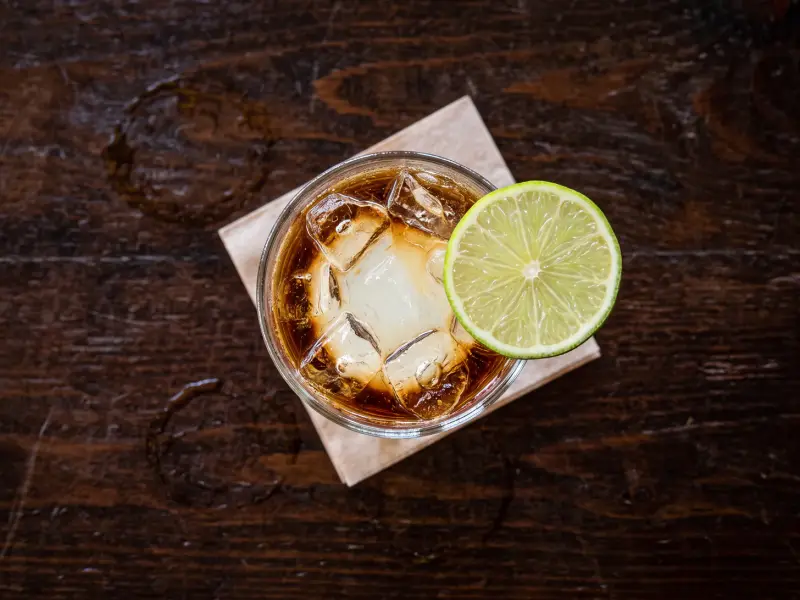 Dark and Stormy
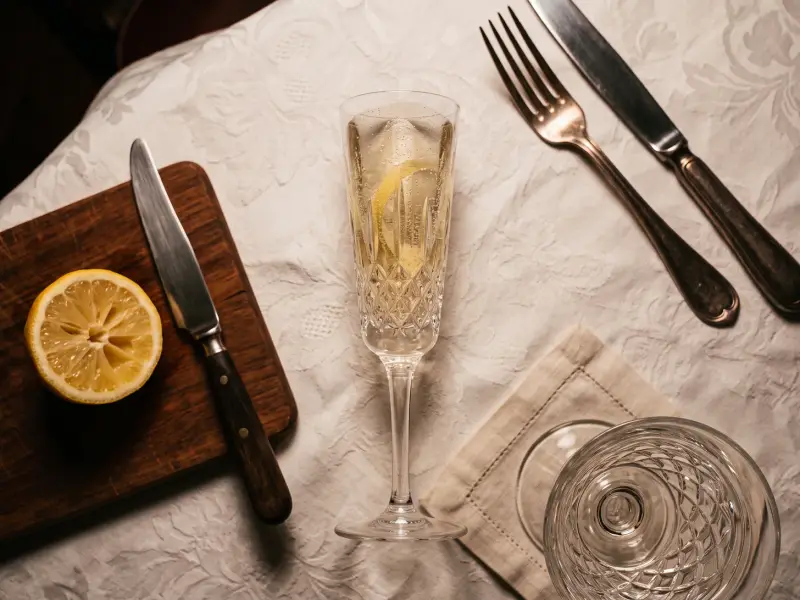 French 75
Categories
Main ingredients
Techniques & equipment
Time & effort