Green Curry with Chicken and Thai Basil
แกงเขียวหวานไก่
Kaeng khiao wan kai
แกงเขียวหวานไก่ — sweet green curry with chicken.
Cracking the coconut cream before the paste goes in is the step most recipes skip, and the one that decides whether this tastes fried or boiled.
- Prep
- 20 min
- Cook
- 25 min
- Total
- 45 min
- Serves
- 4
- Revisions
- 5
Allergens
- Fish
- Shellfish
Named from the ingredients as written, including those carried in from sub-recipes. This is not a guarantee — check the labels on what you actually buy, and note that a product’s recipe can change.
Ingredients
Serves
Method
Open the coconut milk without shaking it and spoon the thick cream from the top into a wok. Keep the thin milk beneath for later.
Cook the cream over medium heat for 4 to 6 minutes, until it splits and you can see clear oil separating out. This is called cracking, and a paste fried in that oil tastes completely different from one stirred into milk.
Add the curry paste and fry in the split cream for 2 minutes, until it darkens and smells fragrant rather than sharp.
Add the chicken and turn it in the paste until coated and no longer pink on the outside, about 3 minutes.
Pour in the reserved thin coconut milk, add the fish sauce, palm sugar, aubergines and lime leaves, and simmer for 12 minutes.
Check the chicken is cooked through — 74C/165F at the thickest piece — then taste and adjust with more fish sauce for salt or sugar for balance.
Take the wok off the heat, stir through the chillies and Thai basil, and serve at once with jasmine rice. Basil added off the heat stays green; boiled basil goes grey and bitter.
Nobody has rated this recipe yet.
Sign in to rate this recipe. One rating per person, and you can change it.
What to expect
- Taste
Hot first, and hotter than its colour suggests — this is generally the fiercest of the three common Thai curries, because the green is fresh bird's eye chillies rather than dried red ones, and there are many of them. Coconut sweetness arrives immediately behind the heat and rounds it rather than cancelling it. Under that: salt and a deep savoury funk from fish sauce, sourness and perfume from makrut lime leaf, and a faint bitterness from the aubergine that stops the whole thing being cloying. Thai basil is the last thing, aniseed and peppery.
- Aroma
Green and sharp — lime leaf and basil over the coconut. The strongest smell in the whole process comes at the moment the paste hits the split cream, which is a fried, toasted smell quite unlike the finished bowl.
- Texture
Thin and pourable rather than thick, closer to a soup than to an Indian curry, and it is meant to be. A visible slick of coconut oil on the surface is correct and is the evidence the cream was cracked. Chicken thigh soft, aubergine collapsing, basil leaves just wilted.
- Sound
Almost none at the table. All the noise is in the wok.
- How the flavour moves
The heat arrives first and builds across a bowl rather than fading — capsaicin accumulates, so the fourth mouthful is hotter than the first even though nothing has changed. Coconut and sugar round it in the middle, and the finish is lime leaf and basil, which is where the perfume lives. The rice resets the mouth between spoonfuls, which is exactly why it is served with it.
- Serve it
Hot, and eaten with plain rice that cools each mouthful — the rice is not a side, it is the thing that makes the heat survivable across a whole bowl.
Cook's notes
- Difficulty
Easy, with one step that decides everything.
- Cost
Low to moderate. Fresh Thai basil and makrut lime leaves are the items worth going out of your way for.
- Equipment
A wok or wide pan
- Where it goes wrong
Shaking the coconut milk before opening it, which destroys the whole method before it starts. Boiling the basil. Using Italian basil.
- Making it ahead
The curry reheats well, but add the basil fresh each time — reheated basil is the grey bitter failure again.
- Scaling it
Doubles fine, but crack the cream in two batches — too much in the pan at once steams instead of splitting.
- Substitutions
Chicken thigh rather than breast — the simmer is short but the thigh holds together better and carries more flavour. Thai basil cannot be replaced by Italian basil; the aniseed note is the point.
- Dietary swaps
Fish sauce makes it not vegetarian. Light soy with a little extra salt is the usual swap and gives up some depth.
Where it comes from
- Origin
Central Thailand, recorded in the early twentieth century.
- Said out loud
The English name — 'green curry' — is two ordinary English words and is safe to say cold. THE THAI NAME IS NOT, and that is why it stays out of any spoken line: kaeng khiao wan is roughly gaeng kee-o WAAN, and Thai is tonal, so a generator handed that string invents a pronunciation and nothing catches it until the film comes back. Same class of trap as 'Pho Bo', which a voice renders 'foe boh' — wrong in Vietnamese and meaningless in English. Print the Thai name in the caption where it can be read rather than said.
- History
Recorded in Thailand in the early twentieth century, with the name kaeng khiao wan — literally 'curry green sweet', where 'sweet' describes the shade of green rather than the taste of the dish. That naming is the single most misread thing about it in English: menus routinely translate it as 'sweet green curry' and diners order it expecting mildness.
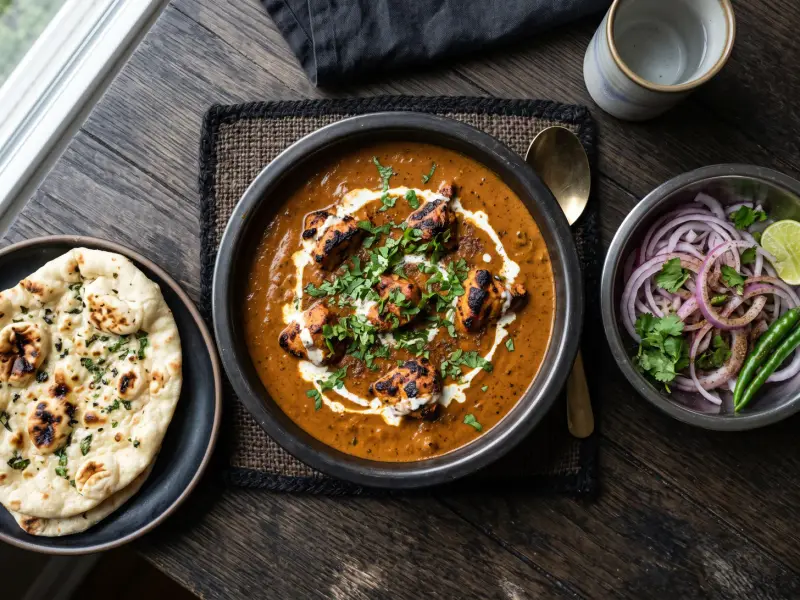 Chicken Tikka Masala
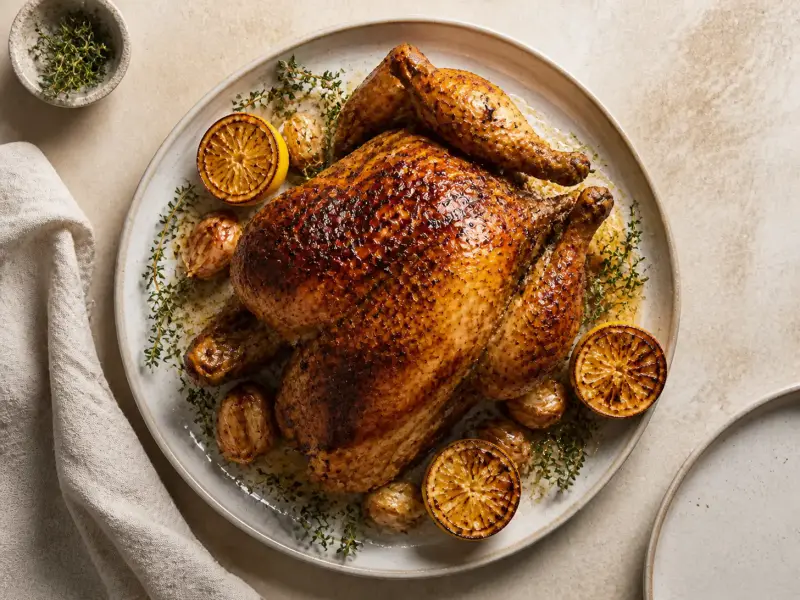 Roast Chicken with Lemon and Thyme
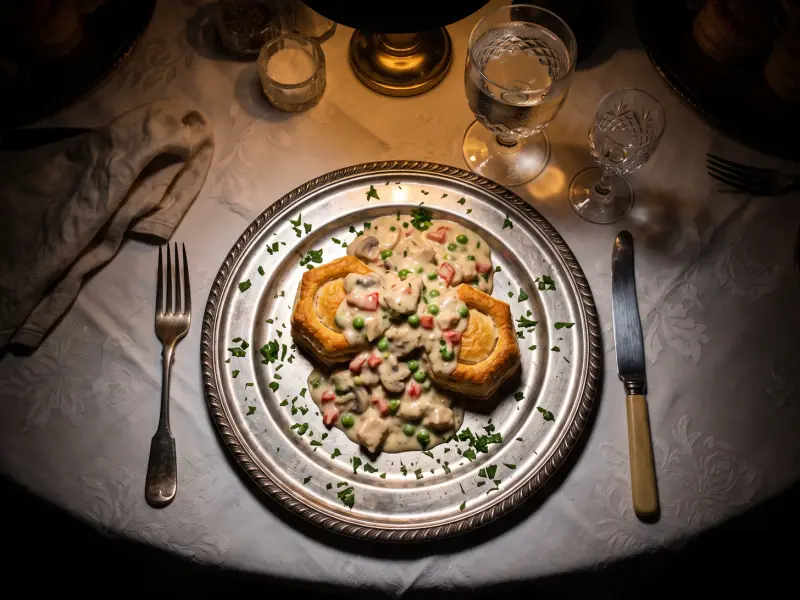 Chicken à la King
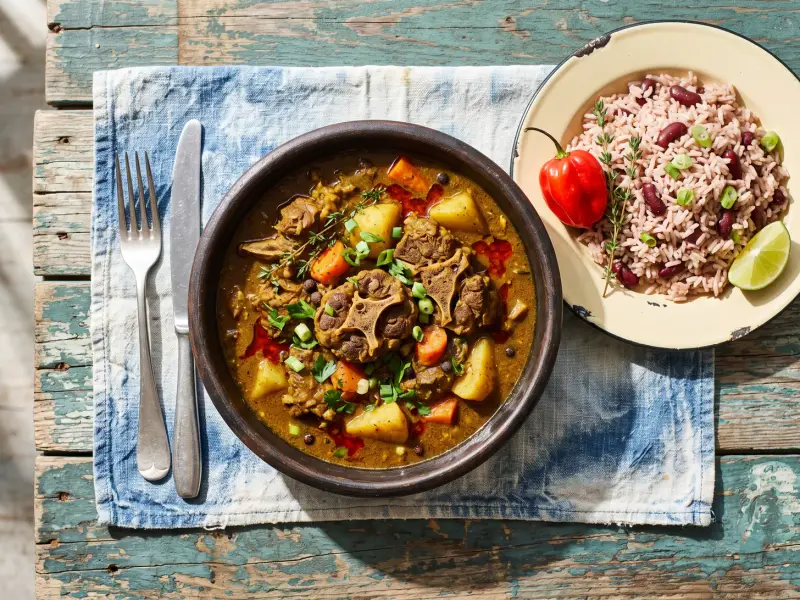 Curry Goat
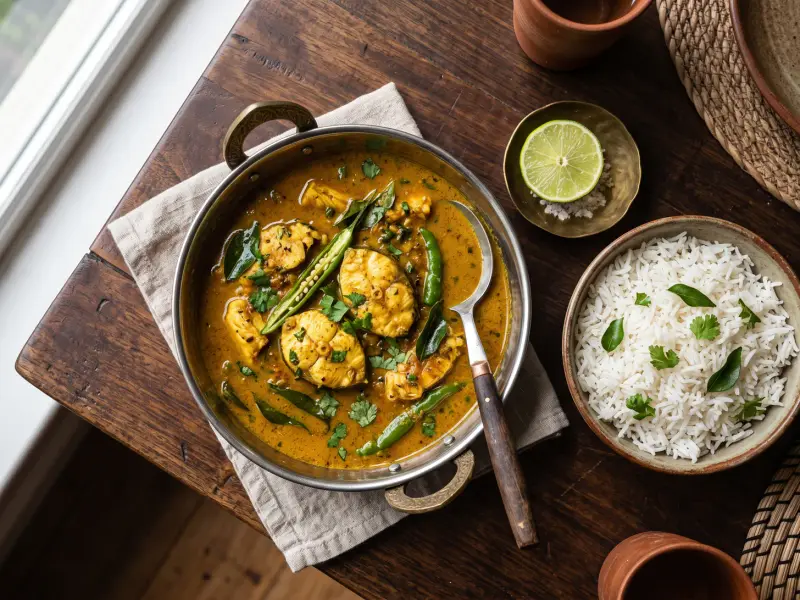 Goan Fish Curry
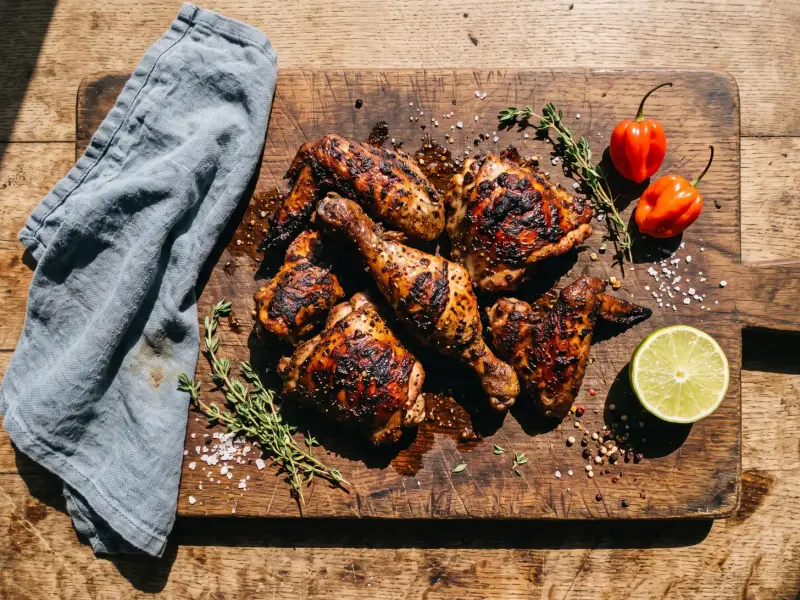 Jerk Chicken