Vanilla Custard
A pouring custard of egg yolks, milk and cream thickened over low heat until it coats the back of a spoon.
- Prep
- 10 min
- Cook
- 15 min
- Resting
- 15 min
- Total
- 40 min
- Serves
- 6
- Revisions
- 5
Allergens
- Eggs
- Milk
Named from the ingredients as written, including those carried in from sub-recipes. This is not a guarantee — check the labels on what you actually buy, and note that a product’s recipe can change.
Ingredients
Serves
Method
Pour the milk and cream into a heavy pan.
Scrape the vanilla seeds in and drop the split pod in after them.
Warm over medium heat for 4-5 minutes, until the surface trembles and steam comes off it steadily.
Take the pan off the heat before it boils.
Leave it to infuse for 15 minutes, which is where the flecks and most of the flavour come from.
Whisk the egg yolks, caster sugar and fine salt together in a large bowl for about a minute, until the mixture has paled to primrose and thickened enough to hold a brief trail from the whisk.
Start whisking the moment the sugar meets the yolks. Sugar left sitting on raw yolk draws the water out of it and sets it into hard yellow grains that never whisk smooth again.
Pour a ladleful of the hot milk into the yolks in a thin stream, whisking constantly.
That is tempering: bringing the yolks up to the temperature of the milk a little at a time, so they warm through instead of scrambling the instant they meet a pan of hot liquid.
Add two more ladlefuls the same way, until the bowl feels warm against the back of your hand.
Pour the tempered yolks back into the pan with the rest of the milk, whisking as they go in.
Set the pan over low heat.
Stir constantly with a wooden spoon or spatula, in a figure of eight that reaches into the corners of the pan, where custard catches first.
Cook for 6-10 minutes, until the custard thickens enough to coat the back of the spoon and a finger drawn across it leaves a clean line with nothing running back into it.
Take it off the heat at that line and no later. Egg yolk sets at around 82C/180F, and a custard pushed past that point curdles into fine grains in a thin liquid within seconds and with almost no warning.
Pour it straight through a fine sieve into a cold bowl and whisk hard if it does start to grain. Caught in the first few seconds it comes back very nearly smooth, and left to set into scrambled egg it does not come back at all.
Pour the finished custard through a sieve into a jug in any case, which takes out the pod and whatever has set against the base of the pan.
Treat it the way the soft scrambled eggs in this collection are treated: low heat, constant movement, and off the heat while it still looks a shade loose.
Discard the vanilla pod, or rinse and dry it and keep it in the sugar jar.
Serve warm, poured over the apple and blackberry crumble, which is the dish it exists for.
Pour it over a warm square of the dark chocolate brownies for the same reason.
Press cling film onto the surface if it is not going straight to the table, since a skin forms over cooling custard within a few minutes.
Refrigerate what is left and use it within two days. It sets firmer as it chills and loosens again over low heat, stirred.
Nobody has rated this recipe yet.
Sign in to rate this recipe. One rating per person, and you can change it.
What to expect
- Taste
Rich and sweetly milky, with real vanilla's warm, slightly floral, faintly boozy depth running through it — genuinely more complex than the flat, one-note sweetness of vanilla extract alone, since real pods carry dozens of aromatic compounds beyond vanillin. The egg yolks bring a soft, custardy richness rather than any eggy flavour as such, and a pinch of salt keeps the whole thing from tipping into simple sweetness.
- Aroma
Warm, sweet vanilla dominates completely, floral and slightly woody from the pod itself, with a gentle dairy richness underneath from the warmed milk and cream.
- Texture
Silky and coating, thick enough to cling to the back of a spoon and to whatever it's poured over, but still genuinely pourable rather than set — this sits precisely between a thin milk and a firm set custard or pastry cream.
- Sound
Almost entirely silent — the loudest moment is the whisk against the pan during tempering, and the soft splash of it being poured from a jug at the table.
- How the flavour moves
Sweetness and vanilla arrive together immediately, rich and rounded, with the egg's soft custardy body filling out the middle of the mouthful and a very faint salt-driven savouriness holding the sweetness in check right at the very end.
- Serve it
Served warm rather than hot, poured over a dessert that's often warm itself; it also works well cold, though it thickens noticeably further once chilled.
- Goes with
Apple and blackberry crumble and dark chocolate brownies, both in this collection, exactly as the recipe's own steps describe — this custard exists to be poured over warm baked desserts rather than eaten alone.
Cook's notes
- Difficulty
Moderate. Nothing is technically hard, but the final few minutes of cooking need real, undivided attention, since the margin between finished and curdled is narrow and arrives fast.
- Cost
Moderate — six egg yolks, milk, cream and a real vanilla pod are the main costs, with vanilla being the priciest single ingredient by weight.
- Equipment
A heavy pan, a whisk, a wooden spoon or spatula, and a fine sieve.
- When to make it
Alongside warm puddings, crumbles and pies, especially in colder months.
- Best season
None — every ingredient is available year-round.
- You know it is done when
A pale, primrose-yellow liquid thick enough to coat the back of a spoon evenly, with a clean line left behind when a finger is drawn across it.
- And it feels like
Smooth and pourable, with real body — not thin like milk, not thick like a set pastry cream — and completely free of any grainy texture, which would indicate the eggs have started to curdle.
- Food safety
Egg yolks need to reach a safe temperature, which this method achieves as part of thickening the custard properly; if it does start to grain, whisking hard immediately and pouring through a sieve can rescue it in the first few seconds, but once it has fully curdled into visible scrambled egg it cannot be brought back.
- Where it goes wrong
- Leaving sugar sitting on raw egg yolks without whisking immediately, which draws water out of the yolks and sets them into hard grains.
- Adding the hot milk to the yolks too quickly rather than gradually, which scrambles them on contact.
- Cooking past the point where it coats a spoon, which curdles the custard within seconds and with very little warning.
- Boiling the milk and cream during the initial warming stage rather than stopping just before it bubbles.
- If it does go wrong
Grainy or curdled: it went past 82C — if caught in the first few seconds, pour through a sieve and whisk hard, which can rescue it very nearly to smooth; left longer, there's no recovery. Too thin: it needed a minute or two more over low heat, checked constantly rather than left unattended. Lumps of set egg on sugar contact: the yolks and sugar sat too long before whisking.
- Making it ahead
Keeps two days refrigerated with cling film pressed onto the surface, and reheats gently over low heat, loosening as it warms.
- Keeping it
Two days refrigerated, covered with cling film pressed onto the surface to prevent a skin.
- Reheating
Gently over low heat, stirred, since it firms up considerably once chilled and loosens again with gentle warmth.
- Freezing
Not recommended — the emulsion tends to separate on thawing.
- Leftovers
Reheated gently and used exactly as fresh, or eaten cold as its own small dessert.
- Scaling it
Doubles reasonably well, though the cooking stage takes proportionally a little longer and benefits from being watched even more closely given the larger volume.
- Substitutions
Vanilla bean paste or good vanilla extract can replace a whole pod, added at the same infusing stage, though the visible black seed flecks — a real marker of authenticity in a proper custard — will be less pronounced or absent depending on which is used.
- Dietary swaps
Contains egg and milk throughout, both structural to the method rather than optional — a genuinely eggless version is simply a different product (custard powder, cornflour-thickened) rather than a substitution within this recipe. Naturally gluten-free and nut-free.
- Shopping for it
A genuine vanilla pod, plump and pliable rather than dry and brittle, gives noticeably more flavour and more visible seed flecks than a poor-quality or old one.
- Keeping the cost down
A real vanilla pod is the priciest single ingredient; vanilla bean paste is a reasonable, slightly cheaper substitute that still carries visible seeds.
- Sustainability
Vanilla remains a labour-intensive crop, since every pod outside Mexico is still hand-pollinated using the method Edmond Albius discovered in 1841, which is part of why genuine vanilla commands a real price premium over synthetic vanillin.
- Nutrition
A rich dessert sauce, high in fat and sugar from the egg yolks, cream and sugar, meant to be poured in modest quantity over another dessert rather than eaten as a dish on its own.
- Worth it?
A genuine lesson in classic pastry technique in miniature, and worth learning properly rather than reaching for a powder — the difference in flavour between real egg custard and a cornflour-thickened imitation is considerable.
Where it comes from
- Origin
Medieval Europe for the basic egg-and-milk custard technique; Britain specifically for the pouring-custard tradition as it's known today.
- Also called
Crème anglaise in French culinary terminology, or simply pouring custard in British usage.
- Said out loud
krem ahn-GLEZ.
- What the name means
Crème anglaise translates literally as 'English cream', a French name for what the French consider a characteristically English preparation — a slightly ironic naming given how central it also is to French pastry as the base for ice cream and other desserts.
- History
Vanilla's affordability and wide availability depend directly on Edmond Albius's 1841 discovery of a practical hand-pollination method for the vanilla orchid, made as an enslaved child of twelve on Réunion — without that discovery, vanilla would have remained a rare, expensive Mexican product rather than the default flavouring it became worldwide. Separately and unrelatedly, Alfred Bird's 1837 invention of egg-free custard powder, created because his wife could not eat eggs, produced the cornflour-thickened product that most British households have actually poured as 'custard' for generations — a genuinely different preparation from the egg-based crème anglaise this recipe makes, though the two share a name and a role at the table.
- Why it matters
Pouring custard is a genuine British institution, served alongside crumbles, pies and steamed puddings as a near-default accompaniment; the same base mixture, at different thicknesses and with or without added starch, underlies crème anglaise, crème pâtissière and the base for most churned ice cream across Europe.
- When it is eaten
An everyday dessert accompaniment rather than an occasion food in itself, served warm alongside baked puddings especially in colder months.
- The traditional way
Infusing milk and cream with vanilla, tempering egg yolks with the hot liquid to avoid scrambling them, then cooking the combined mixture slowly to just below the yolks' setting point.
- How it changed
The single biggest shift in British custard history is Alfred Bird's 1837 invention of egg-free custard powder, which made a cornflour-thickened imitation the default in most households, distinct from and much easier to make reliably than the genuine egg-based version.
- Regional variations
Crème anglaise, crème pâtissière and a classic ice cream base are essentially the same mixture at different thicknesses, with or without starch added — understanding that relationship explains a great deal about how each of the three behaves.
- How this version differs
This recipe uses a real vanilla pod rather than extract or custard powder, and treats the cooking stage with the same low-heat discipline the soft scrambled eggs recipe in this collection applies — off the heat while it still looks a shade underdone, since it continues to set from residual heat.
- Sources and credit
No individual can be credited with inventing custard itself, which is ancient and its origins untraceable; the specific historical figures behind vanilla's affordability (Edmond Albius) and Britain's egg-free custard powder (Alfred Bird) are both real, documented individuals worth naming precisely because their contributions are unusually well attested for a food history.
Related recipes
Used in 4 recipes
Where this turns up as an ingredient.
 Apple and Almond Tart
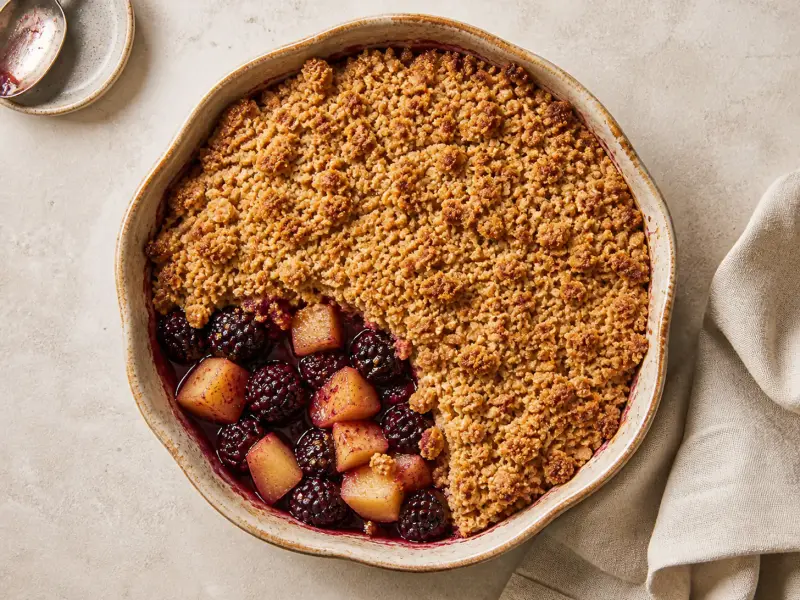 Apple and Blackberry Crumble
 Double-Crust Apple Pie
 Sticky Toffee Pudding
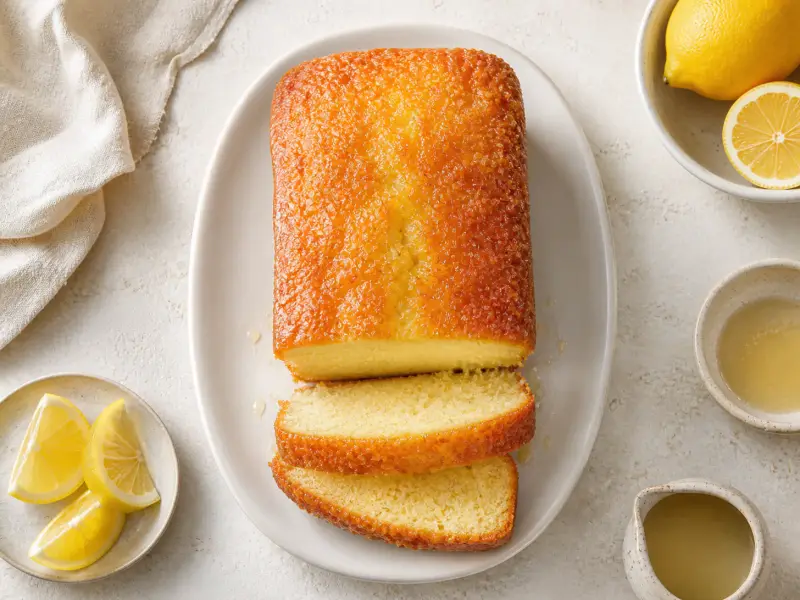 Lemon Drizzle Loaf Cake
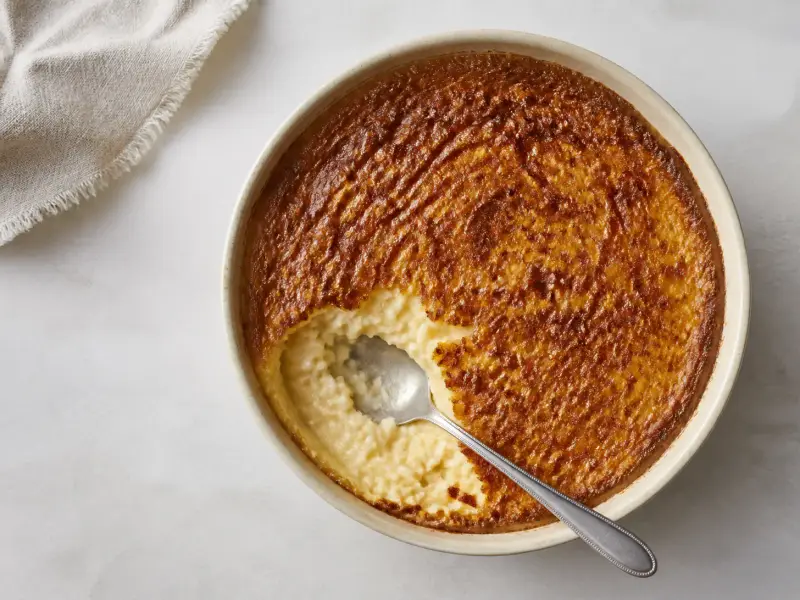 Baked Rice Pudding
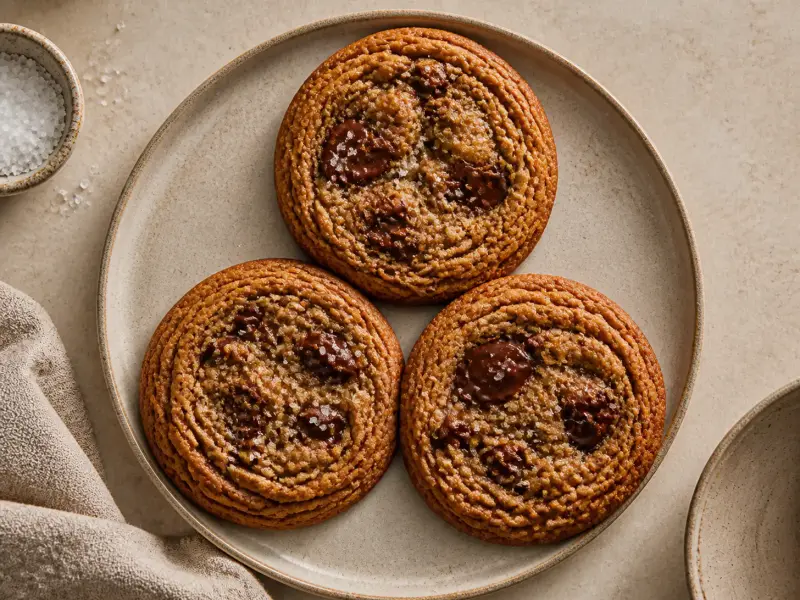 Brown Butter Chocolate Chip Cookies
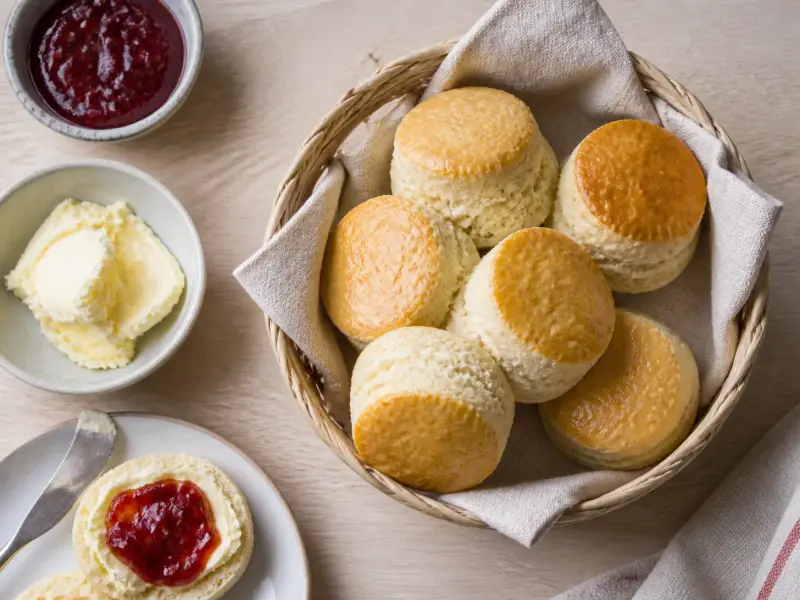 Classic Scones
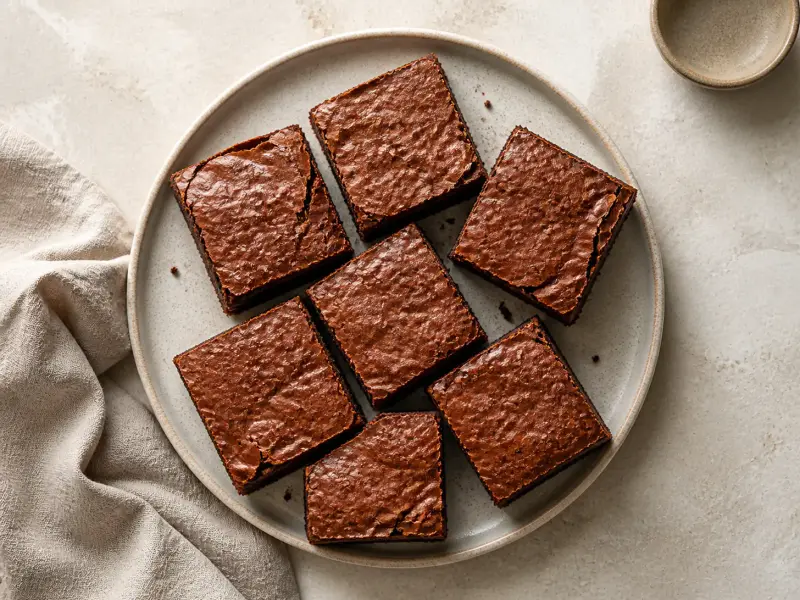 Dark Chocolate Brownies
 Swiss Roll