Minestrone
Minestrone
Minestrone — the big soup.
A chunky vegetable soup built on a slow soffritto, with beans and small pasta simmered in the broth so it thickens as it stands.
- Prep
- 25 min
- Cook
- 1 hr
- Total
- 1 hr 25 min
- Serves
- 6
- Revisions
- 6
Allergens
- Celery
- Cereals containing gluten
- Milk
Named from the ingredients as written, including those carried in from sub-recipes. This is not a guarantee — check the labels on what you actually buy, and note that a product’s recipe can change.
Ingredients
Serves
Method
Cut the onion, carrots and celery to an even 5mm dice, small enough that they soften into the broth rather than sit in it as chunks.
Warm the olive oil in a wide heavy pan over medium-low heat.
Add the diced onion, carrot and celery — the soffritto, the aromatic base softened slowly in fat that a great many Italian soups and sauces are built on — and turn them through the oil.
Stir in 3g of the fine salt, which pulls the water out of the vegetables and keeps them from catching.
Cook for 15-20 minutes, stirring every few minutes, until the vegetables have collapsed to about half their volume, turned glossy and taken the faintest gold at the edges.
Give the soffritto that whole stretch before anything else goes in. Tipping every vegetable into the pan at once floods it with water, nothing browns at all, and the finished soup tastes thin and flat however long it simmers afterwards.
Stir in the garlic and cook for 1 minute, until it smells sweet.
Add the tomato puree and cook for 2 minutes, stirring constantly, until it darkens from bright red to brick.
Pour in the crushed tomatoes and simmer for 5 minutes, until they no longer smell raw.
Pour in the hot stock. A batch of the chicken stock in this collection fills this pan with 500ml to spare.
Drop in the parmesan rind and the bay leaves. The rind softens as it simmers and gives up a savoury depth that grated cheese stirred in at the end does not.
Add the beans.
Bring to a gentle simmer and cook uncovered for 20 minutes, until the broth has darkened and tastes of more than stock.
Add the courgette and the shredded cabbage.
Simmer for 8 minutes, until the cabbage is tender and still dark green.
Stir in the pasta and cook for 8-10 minutes, or as long as the packet says, until it is soft rather than al dente — it goes on drinking broth in the bowl.
Crush a ladleful of the beans against the side of the pan with the back of a spoon, which thickens the broth without any flour.
Fish out the bay leaves and whatever is left of the rind.
Season with the remaining 3g of fine salt and the ground peppercorns.
Taste and correct the salt, bearing in mind how the stock was seasoned.
Tear the basil in off the heat, since it blackens in a simmering pan within a minute.
Ladle into bowls.
Finish each bowl with the grated parmesan and a thread of extra virgin olive oil.
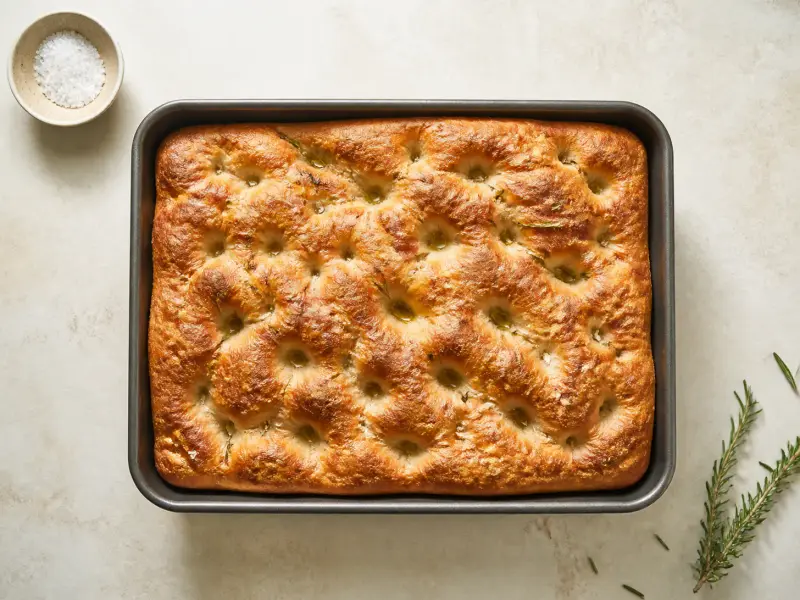
Serve with thick slices of bread. The no-knead sourdough focaccia in this collection has the crumb for it.
Expect it to thicken overnight as the pasta keeps drinking, and loosen it with hot stock or water when reheating rather than serving it as a stew.
Spread whatever is left into a shallow container rather than leaving it to cool in the deep pan, where two litres of soup holds its heat for hours.
Refrigerate it within two hours of the pan coming off the heat and use it within three days.
Bring it back to a full simmer when you reheat it rather than warming it through.
Nobody has rated this recipe yet.
Sign in to rate this recipe. One rating per person, and you can change it.
What to expect
- Taste
A deep, savoury, faintly sweet vegetable base built on the slow-cooked soffritto, with the tomato adding acidity and the parmesan rind a background umami richness that's easy to miss until it's absent. The beans are mild and starchy, the cabbage brings a faint bitterness, and the torn basil at the end lifts the whole bowl with a bright, aniseed-adjacent freshness that a boiled-in basil never gives.
- Aroma
Sweet, browned onion and garlic first, then the acidic top note of simmering tomato, with basil's bright green smell arriving last, right at the point of serving.
- Texture
Substantial rather than brothy — this is a soup thick enough to eat with a fork as much as a spoon, with soft vegetables, tender beans and soft pasta all giving way easily, and the crushed beans against the side of the pan adding a creamy body to the liquid itself.
- Sound
A slow, heavy bubble at a gentle simmer, and the thicker, weightier sound of a ladle moving through it compared with a thin broth.
- How the flavour moves
A savoury, sweet vegetable base arrives first, tomato acid cutting across it, then the milder starchy beans and pasta rounding it out, and basil's fresh top note the last thing registered before the swallow.
- Serve it
Served properly hot — it holds its heat for a long time owing to its thickness, considerably longer than a thin soup would.
- Goes with
Thick bread for mopping — the no-knead sourdough focaccia in this collection is built with exactly that crumb in mind — and a final grating of parmesan at the table.
Cook's notes
- Difficulty
Easy, but it rewards patience at the soffritto stage more than any other single step decides the result.
- Cost
Cheap — vegetables, tinned beans and tomatoes, a little pasta and stock.
- Equipment
A wide, heavy pan large enough to hold the vegetables in a shallow layer for the soffritto, and a ladle.
- When to make it
Any season, though it leans heartier in autumn and winter and lighter with fresh vegetables in summer.
- Best season
Flexes with whatever vegetables are available; traditionally a way of using up a store cupboard rather than being tied to one season.
- You know it is done when
A dark, thick broth studded with diced vegetables, pale beans and small pasta, a thread of oil visible on the surface.
- And it feels like
The pasta should be soft rather than al dente, since it continues absorbing broth in the bowl after serving; the vegetables tender but not collapsed to mush.
- Food safety
Nothing beyond ordinary hygiene; cool and refrigerate within two hours given the volume and the pasta and beans in it, which can support bacterial growth if left warm too long.
- Where it goes wrong
- Rushing or skipping the soffritto, which is where most of the soup's depth actually comes from.
- Adding the pasta too early, so it turns to mush by the time everything else is ready.
- Boiling hard rather than simmering gently, which breaks the vegetables and pasta apart unevenly.
- Adding basil too early, which blackens it within a minute.
- If it does go wrong
Tastes thin or flat: the soffritto was rushed, or it needs more salt and a squeeze of the parmesan rind's flavour by simmering it longer. Too thick after storage: loosen generously with hot stock or water when reheating.
- Making it ahead
Improves after a day in the fridge as the pasta and beans continue to absorb the broth; freeze without the pasta if planning to keep it longer, adding fresh pasta on reheating.
- Keeping it
Three days refrigerated, thickening further as it sits.
- Reheating
Loosen with hot stock or water and bring back to a full simmer rather than only warming through.
- Freezing
Freezes reasonably, though the pasta softens further on thawing; some cooks freeze it without the pasta and add fresh pasta on reheating.
- Leftovers
Improves overnight as the pasta and beans keep absorbing broth; the Tuscan dish ribollita takes the same principle further, thickened with stale bread.
- Scaling it
Scales up easily in a bigger pot, though the soffritto stage takes proportionally the same time regardless of batch size.
- Substitutions
Any small pasta shape works in place of ditalini. Dried beans cooked from scratch can replace the tins, using their own cooking liquid in place of some of the stock for extra body. Kale or chard can stand in for cabbage.
- Dietary swaps
Vegetable stock and a vegetable-based parmesan alternative (or omitting the rind and grated cheese) make this fully vegan; it is otherwise vegetarian-adjacent by default depending on the stock used. Naturally dairy-free without the cheese elements. Contains gluten from the pasta unless a gluten-free small pasta shape is substituted.
- Shopping for it
Good tinned plum tomatoes make a real difference; a genuine parmesan rind, saved from previous blocks, is worth keeping in the freezer for exactly this purpose.
- Keeping the cost down
One of the cheapest substantial meals in the collection — tinned beans and tomatoes, basic vegetables, a small amount of pasta.
- Sustainability
A largely plant-based, low-cost dish that stretches a small amount of stock and cheese a long way — an efficient use of ingredients by design.
- Nutrition
A high-fibre, vegetable-forward main course soup, made more substantial by the beans and pasta.
- Worth it?
A genuinely forgiving, adaptable soup that rewards fifteen unglamorous minutes of soffritto more than any other single decision in the pot.
Where it comes from
- Origin
Italy broadly, with strong regional differences rather than one point of origin — rice-based versions in the north, pesto stirred through around Genoa, more tomato further south.
- Also called
Minestrone.
- Said out loud
mee-neh-STROH-neh.
- What the name means
Minestrone is the augmentative of minestra, meaning soup — literally, a big soup.
- History
The dish's shape changed as beans, tomatoes and pasta each arrived in Italian cooking from the 16th century onward and were gradually absorbed into everyday household soups; Pellegrino Artusi's 1891 manual is the earliest well-known printed version, though the dish as household cooking long predates any single written recipe.
- Why it matters
One of the most widely eaten Italian dishes in the world, precisely because it was never a fixed or codified recipe — every region and household version is legitimately minestrone.
- When it is eaten
Everyday cooking rather than a special-occasion dish, though it varies with season: heavier and more bean-and-pasta-based in colder months, lighter with fresh vegetables in summer.
- The traditional way
A soffritto of onion, carrot and celery cooked slowly in fat as the aromatic base, built up in stages with tomato, stock, beans and finally pasta or rice added late enough not to overcook.
- How it changed
The most significant shift is simply the arrival of New World ingredients — tomatoes, and to a lesser extent beans in their now-familiar varieties — into what would otherwise have been a soup built purely on European vegetables and grains.
- Regional variations
Rice replaces pasta in parts of the north; pesto is stirred through around Genoa; tomato features more heavily in southern versions. The Tuscan ribollita takes the same base further, thickened the next day with stale bread.
- How this version differs
This version uses tinned beans and tomatoes for a practical weeknight timeline, and dresses each bowl with parmesan and oil at the table rather than building the cheese into the pot.
- Sources and credit
No individual can be credited with minestrone; it is a household tradition rather than a composed or invented dish.
Related recipes
This recipe uses
Made from scratch here, or buy it — either works.
 Chicken Stock
 No-Knead Sourdough Focaccia
 Borscht
 Pasta alla Norma
 Pasta e Fagioli
 Spaghetti alla Puttanesca
 Slow-Cooked Beef Ragu
 Baked Lasagne