Cuisines
Italian recipes
Few ingredients, treated well.
Italian cooking is regional to a degree that the phrase 'Italian food' obscures — the butter-and-rice north has less in common with the olive-oil-and-tomato south than either has with its neighbours across a border. What holds across all of it is a habit of restraint: a small number of ingredients, bought well, and a technique that gets out of their way. Cacio e pepe is three things. Carbonara is five and no cream. The recipes here run from those to the long ones — ragù that wants four hours, a risotto that wants your attention for twenty minutes and will not accept less. Where a dish has a protected name and a fixed definition we follow it and say what the definition is, because the argument about what belongs in carbonara is itself part of learning to cook it.
21 recipes
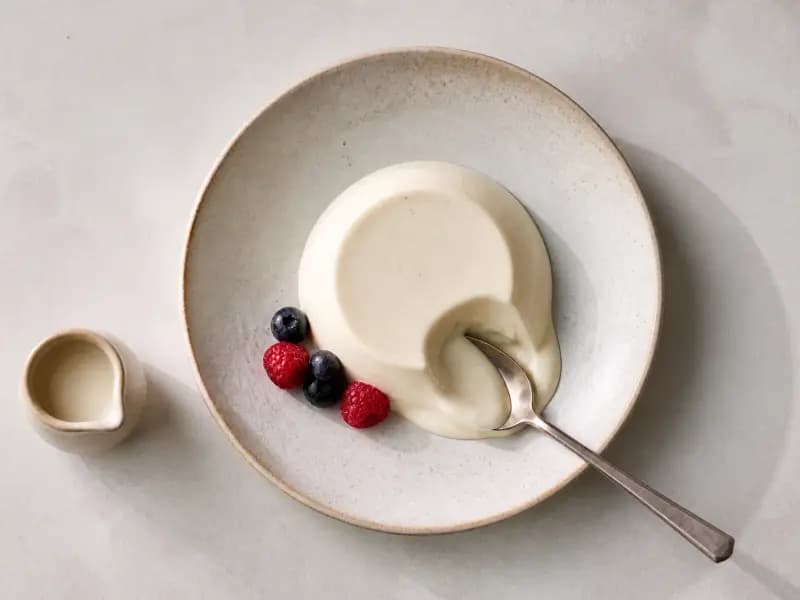
Vanilla Panna Cotta
Cream set with just enough gelatine to hold its shape for a moment on the plate and then slump under the first spoon.
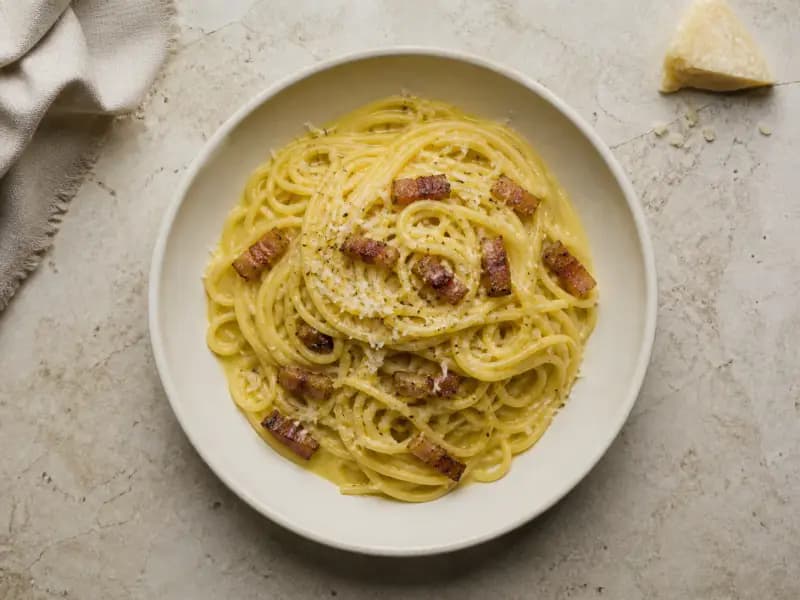
Spaghetti Carbonara
Guanciale, egg yolk and pecorino brought together off the heat into a glossy sauce, with no cream anywhere near the pan.
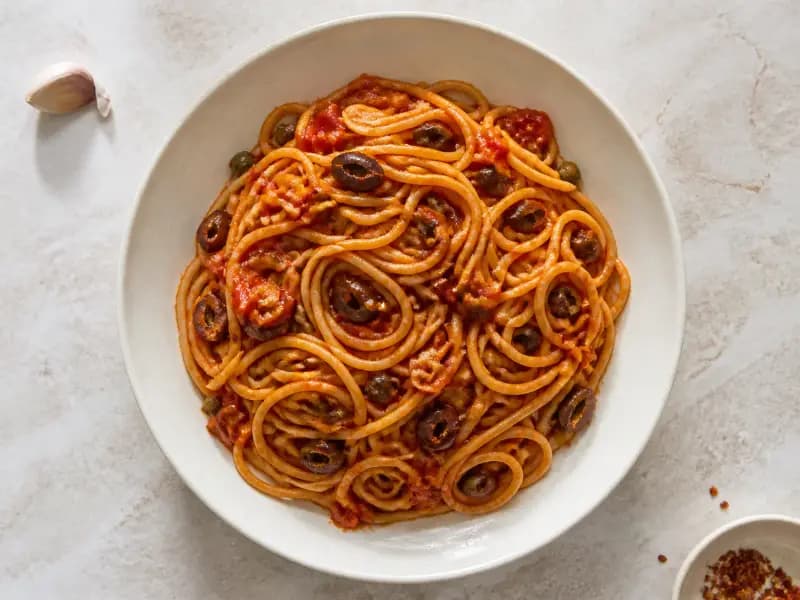
Spaghetti alla Puttanesca
A store-cupboard sauce of anchovies, olives, capers and chilli melted into tomato, salty enough that it needs no cheese and barely any salt.
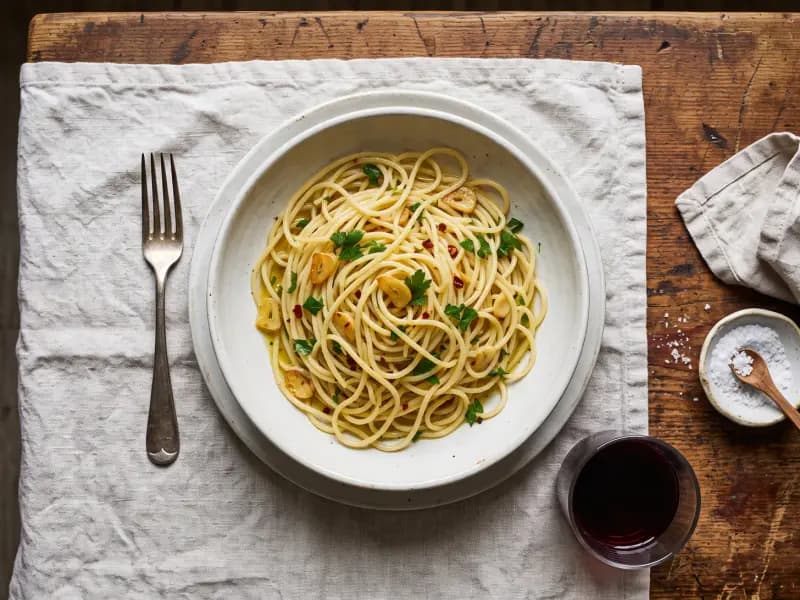
Spaghetti Aglio e Olio
Garlic sliced thin and taken slowly to pale gold in olive oil, emulsified with pasta water into a sauce that is nothing but those two things.
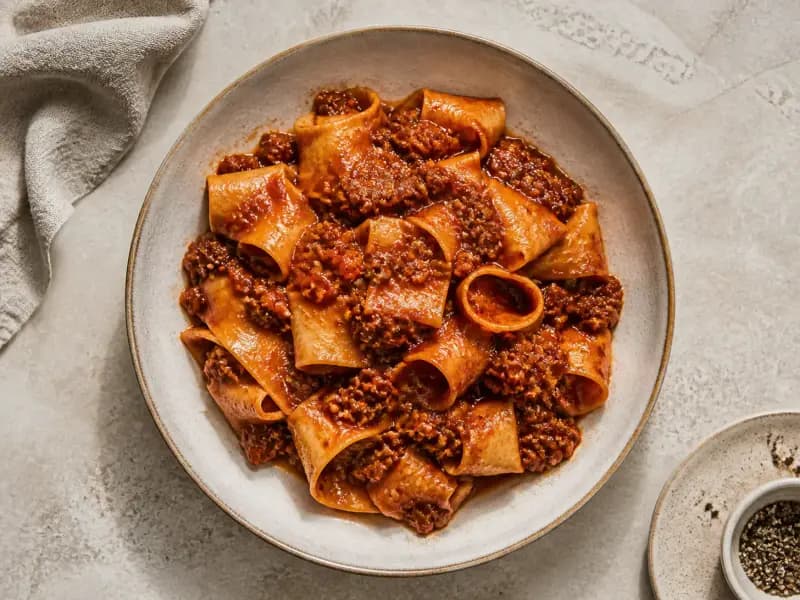
Slow-Cooked Beef Ragu
Coarse beef mince browned in batches then held at a bare simmer for three hours, finished in the pan with the pasta.
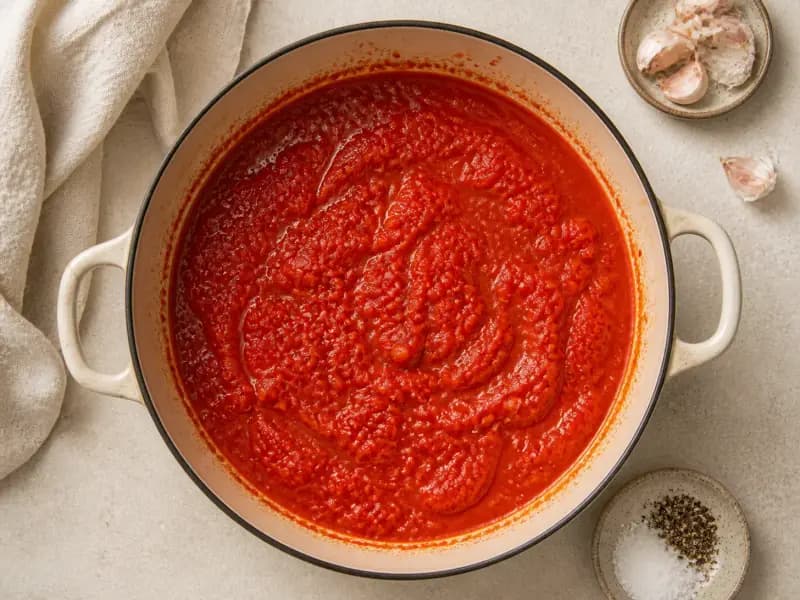
Simple Tomato Sauce
Tinned tomatoes crushed by hand and cooked slowly with garlic until the oil splits back out, which is when the sauce is done.
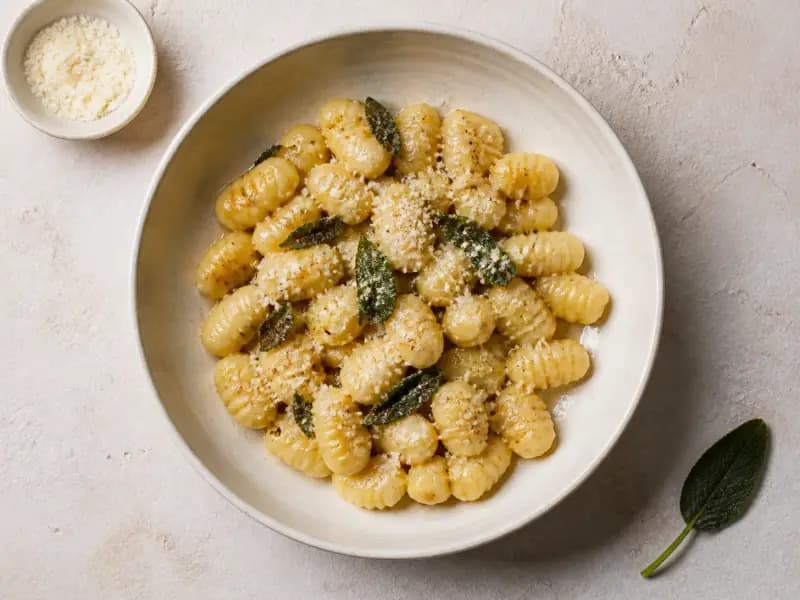
Potato Gnocchi with Sage Butter
Baked potatoes riced while hot and bound with as little flour as they will take, which is the difference between light gnocchi and bullets.
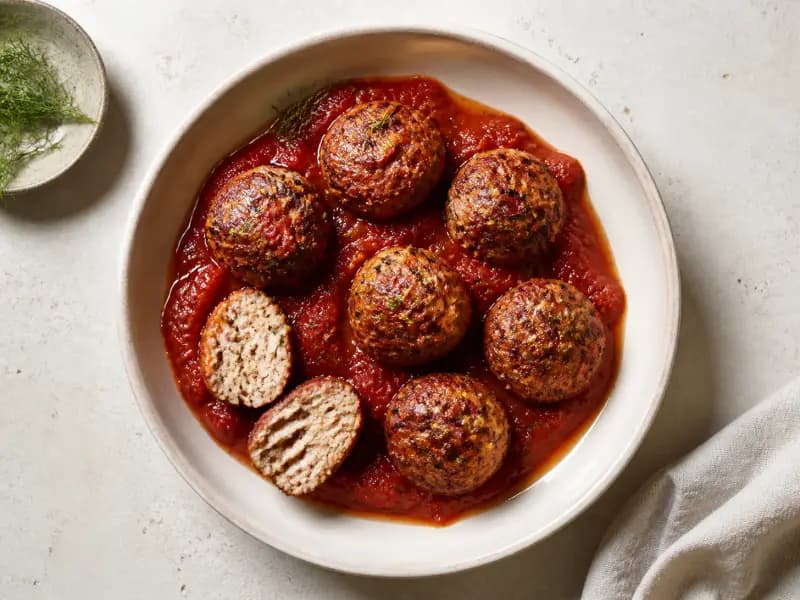
Pork and Fennel Meatballs
Pork mince bound with a milk and bread panade and toasted fennel seed, browned in a pan and finished in tomato sauce.
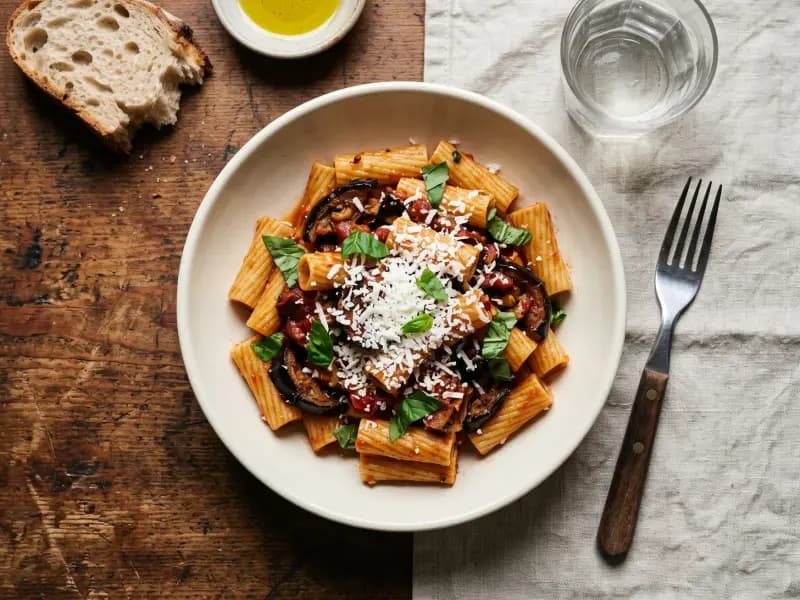
Pasta alla Norma
Fried aubergine folded through a simple tomato sauce with torn basil and salted ricotta, which is the ingredient the dish stands or falls on.
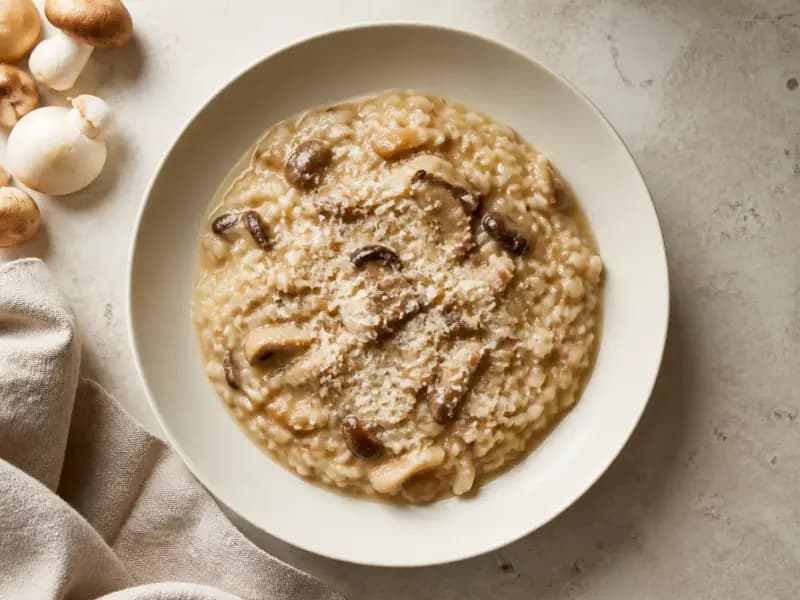
Mushroom Risotto
Carnaroli rice cooked in stock a ladle at a time and beaten with butter at the end, so it spreads on the plate rather than sitting in a heap.
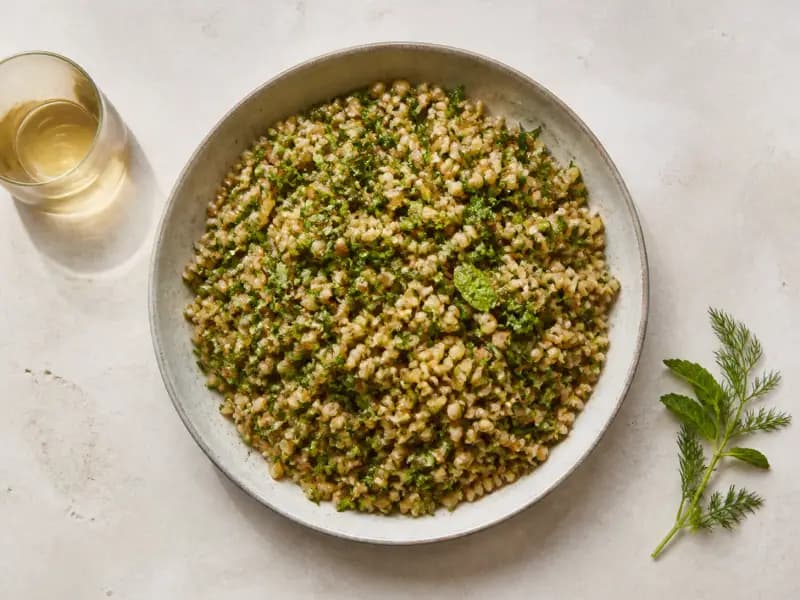
Herbed Farro Salad
Farro boiled loose in salted water like pasta, dressed while it is still hot, then packed with three soft herbs.
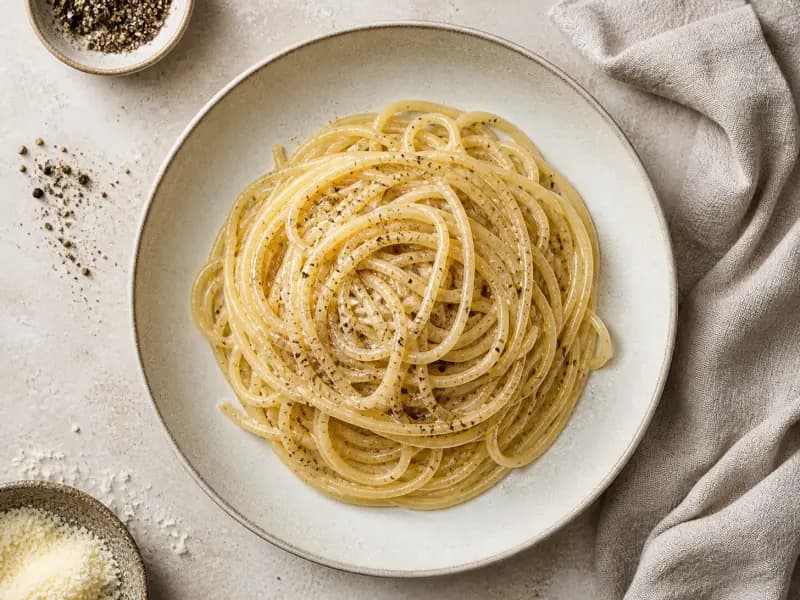
Cacio e Pepe
Spaghetti in a sauce of nothing but pecorino, black pepper and starchy pasta water, emulsified off the heat so it stays smooth.
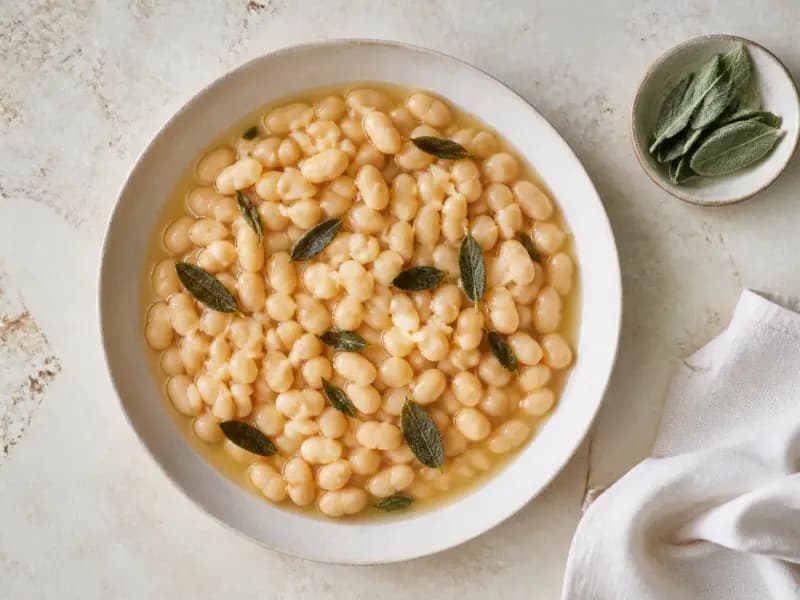
Braised White Beans with Sage
Dried beans soaked in salted water and held at a bare simmer, so the skins stay whole and the liquor turns silky.
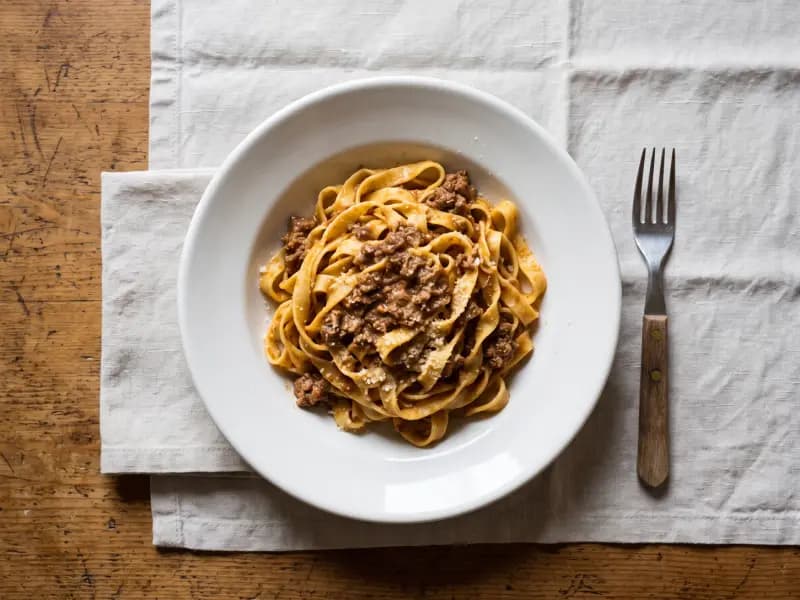
Tagliatelle al Ragù
Bolognese ragù cooked for three hours with milk and a little wine, served on fresh tagliatelle rather than spaghetti, which is what Bologna actually does.
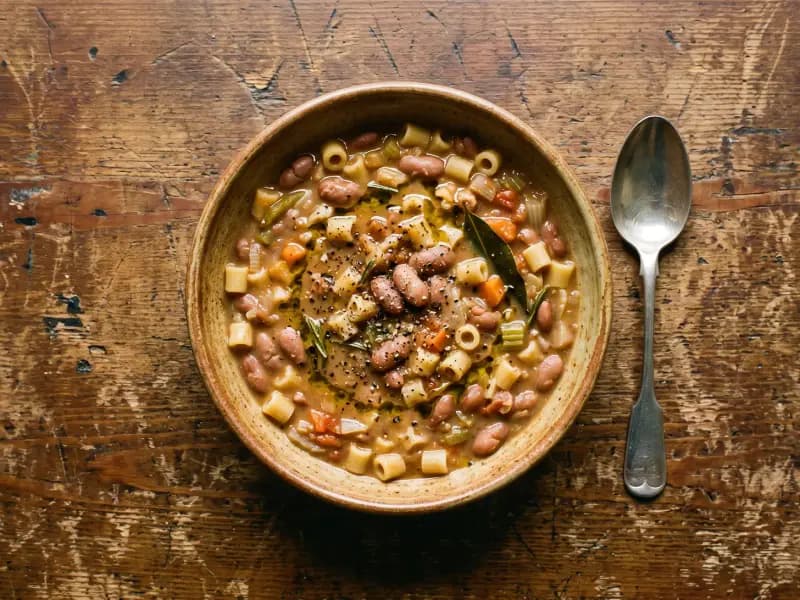
Pasta e Fagioli
Borlotti beans cooked down until half of them collapse, with small pasta cooked in the same pot so the starch thickens everything together.
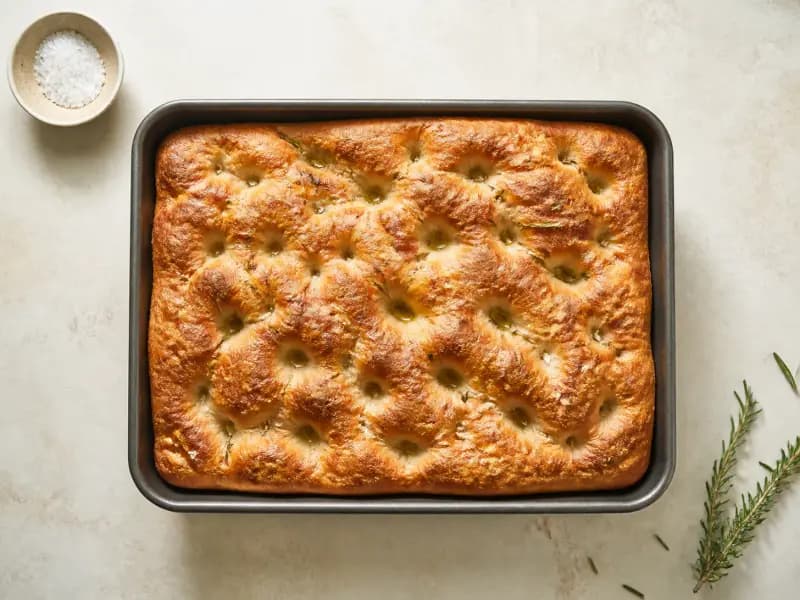
No-Knead Sourdough Focaccia
A slow sourdough focaccia fermented overnight in the fridge, dimpled deep so the pockets fill with olive oil and flaky salt.
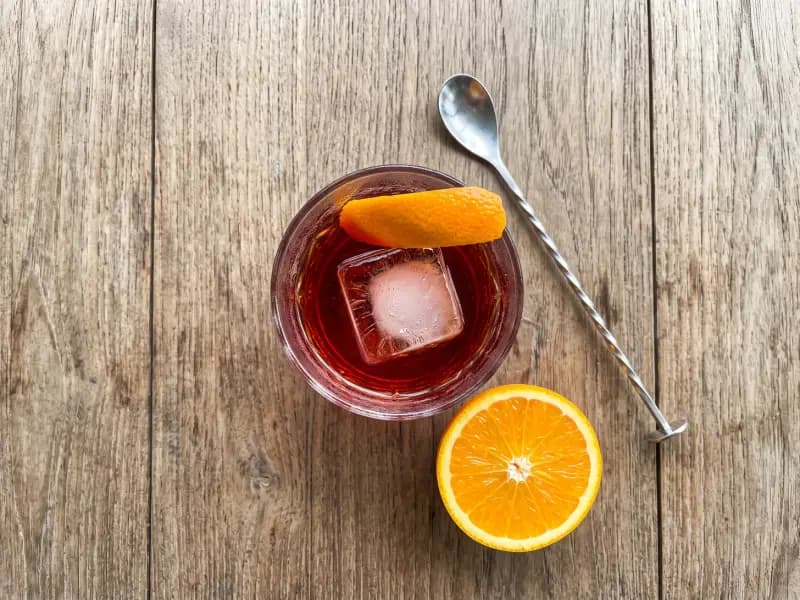
Negroni
Equal parts gin, sweet vermouth and Campari, stirred over ice and served with orange — the bitter aperitivo that needs no shaking and no adjusting.
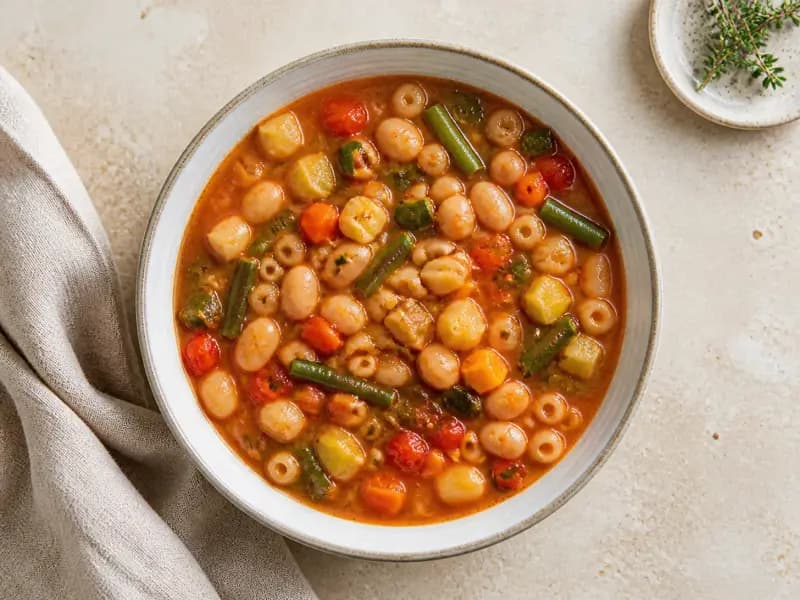
Minestrone
A chunky vegetable soup built on a slow soffritto, with beans and small pasta simmered in the broth so it thickens as it stands.
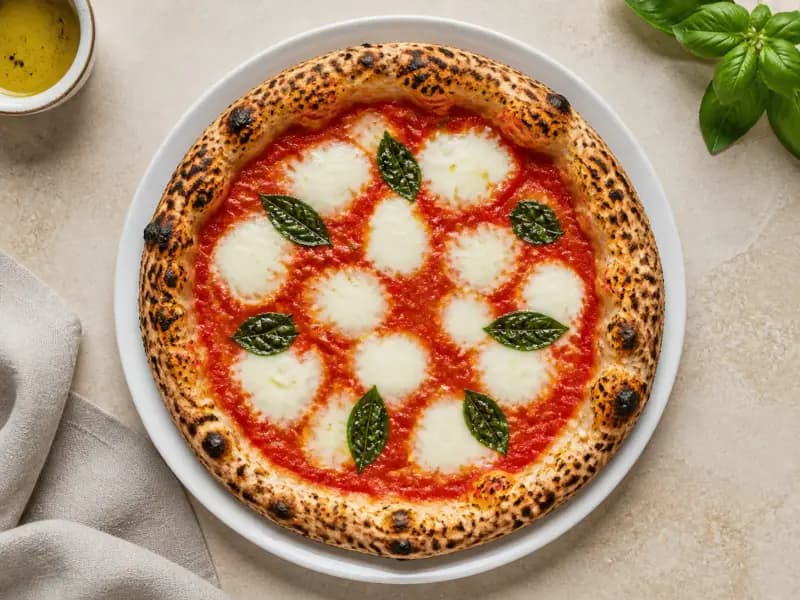
Classic Margherita Pizza
Three toppings, nothing hidden — this is the pizza that shows whether your dough is any good.
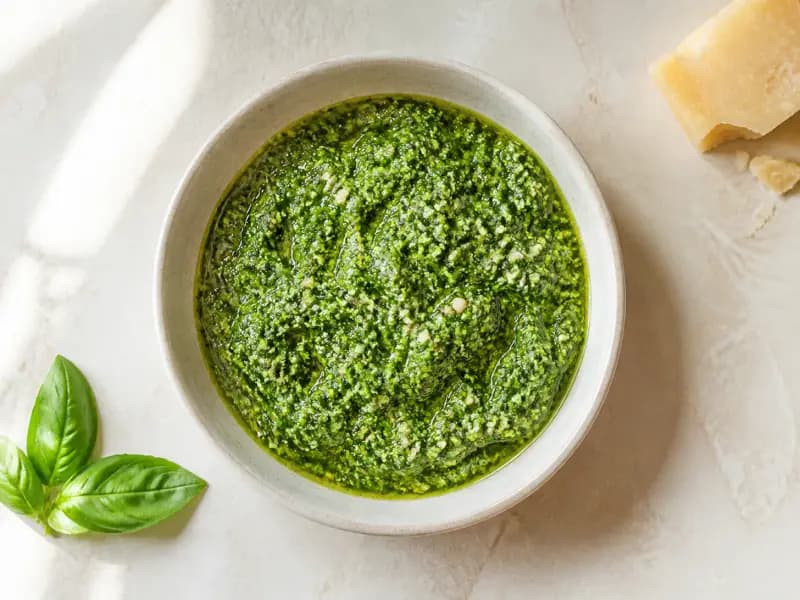
Basil Pesto
Basil, pine nuts, garlic and cheese pounded to a coarse sauce, kept cold throughout so the leaves stay green instead of bruising brown.
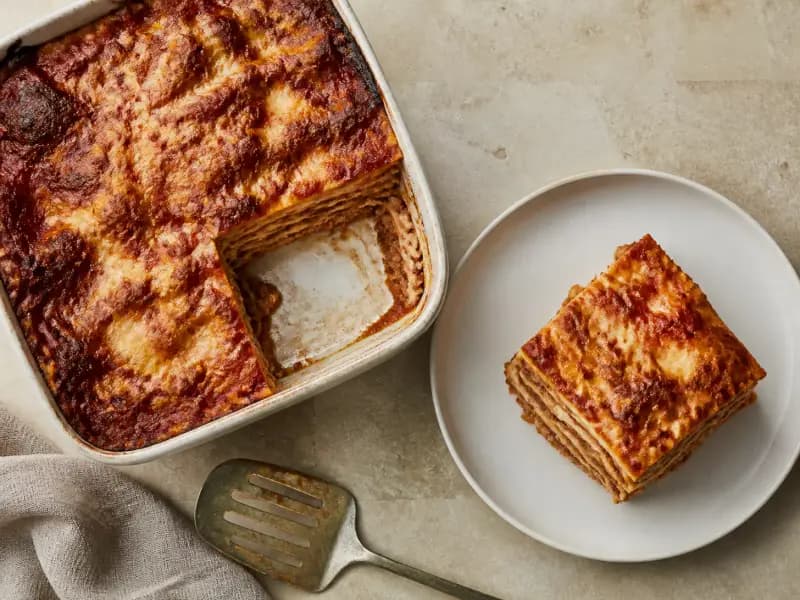
Baked Lasagne
Ragu and béchamel layered thin between dried pasta sheets, baked until the top blisters and rested so it cuts into squares.